Pressure Sensor Explained: Definition & Applications
5 min
- What Is a Pressure Sensor?
- Pressure Sensor Applications
- FAQs
- Conclusion
Pressure is a critical parameter in industrial automation, hydraulic systems, HVAC, and process control. A JLCMC pressure sensor is designed to detect changes in gas or liquid pressure and provide accurate data for pressure measurement, pressure monitoring, and automation control. By delivering real-time pressure information, it helps improve equipment reliability, operational safety, and production efficiency across applications ranging from factory automation to water treatment. This guide explains what a pressure sensor is, how it works, and where it is commonly used.
What Is a Pressure Sensor?
Pressure Sensor Definition
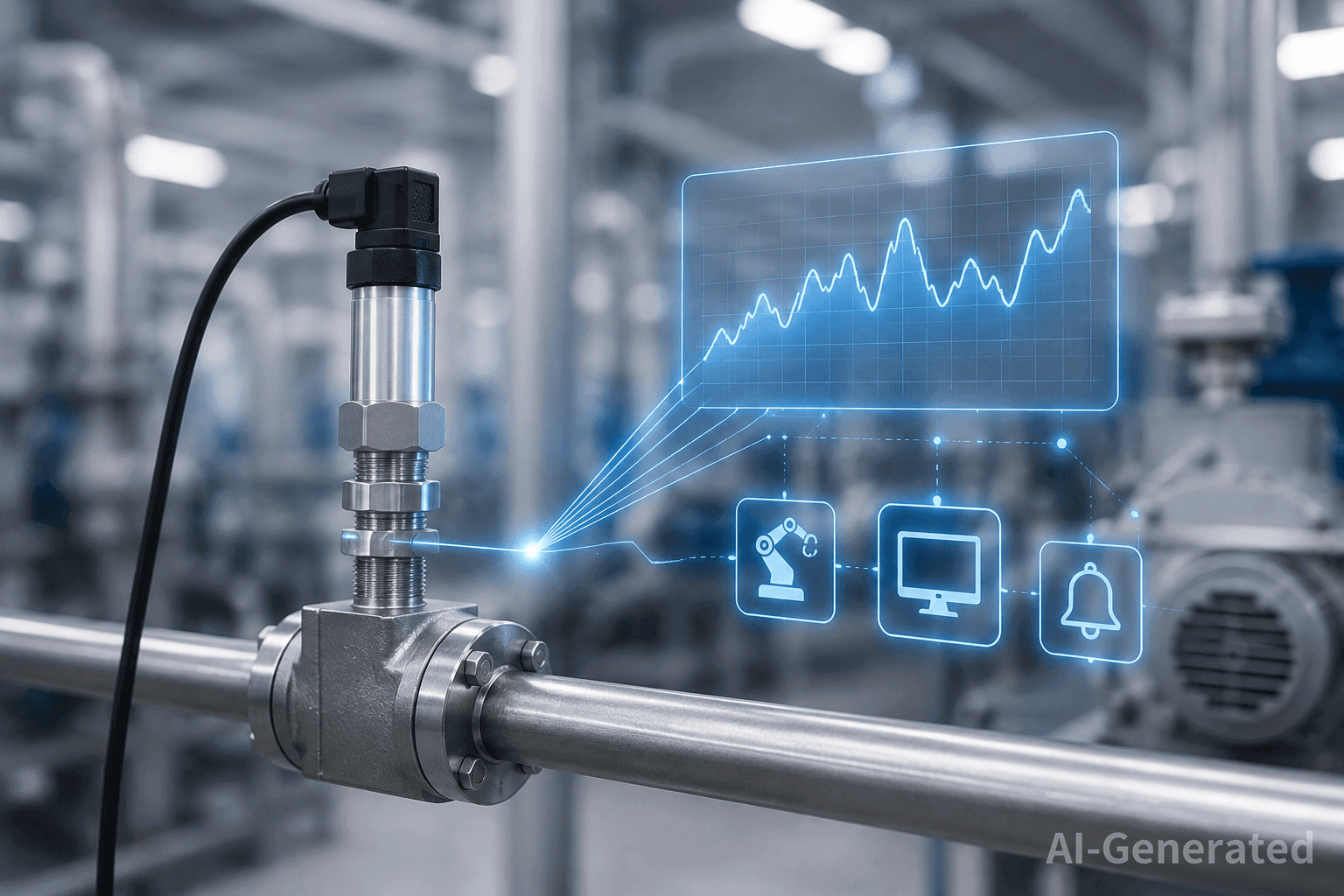
A pressure sensor is an electronic sensing device that detects the pressure of gases or liquids and converts it into a measurable electrical signal. This signal can then be transmitted to PLCs, controllers, HMIs, or monitoring systems for pressure measurement, pressure monitoring, and automatic process control.
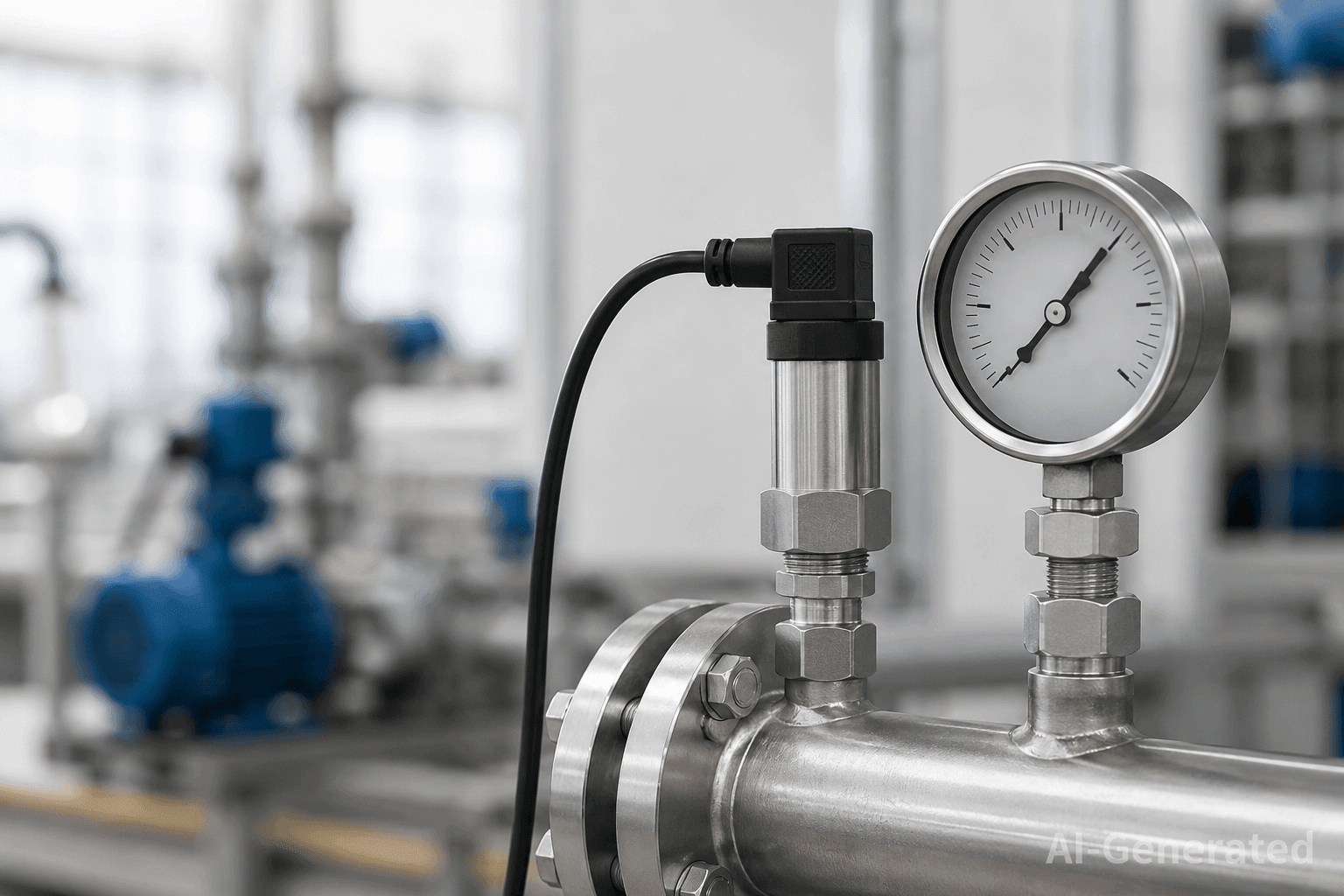
Unlike traditional mechanical pressure gauges that require manual readings, pressure sensors continuously collect pressure data and provide real-time feedback. This enables automated systems to respond quickly to pressure changes, improving process stability, equipment protection, and operational efficiency.
Because of their fast response, high accuracy, and reliable performance, pressure sensors have become essential components in modern manufacturing, intelligent automation, and Industry 4.0 applications.
What Can a Pressure Sensor Measure?
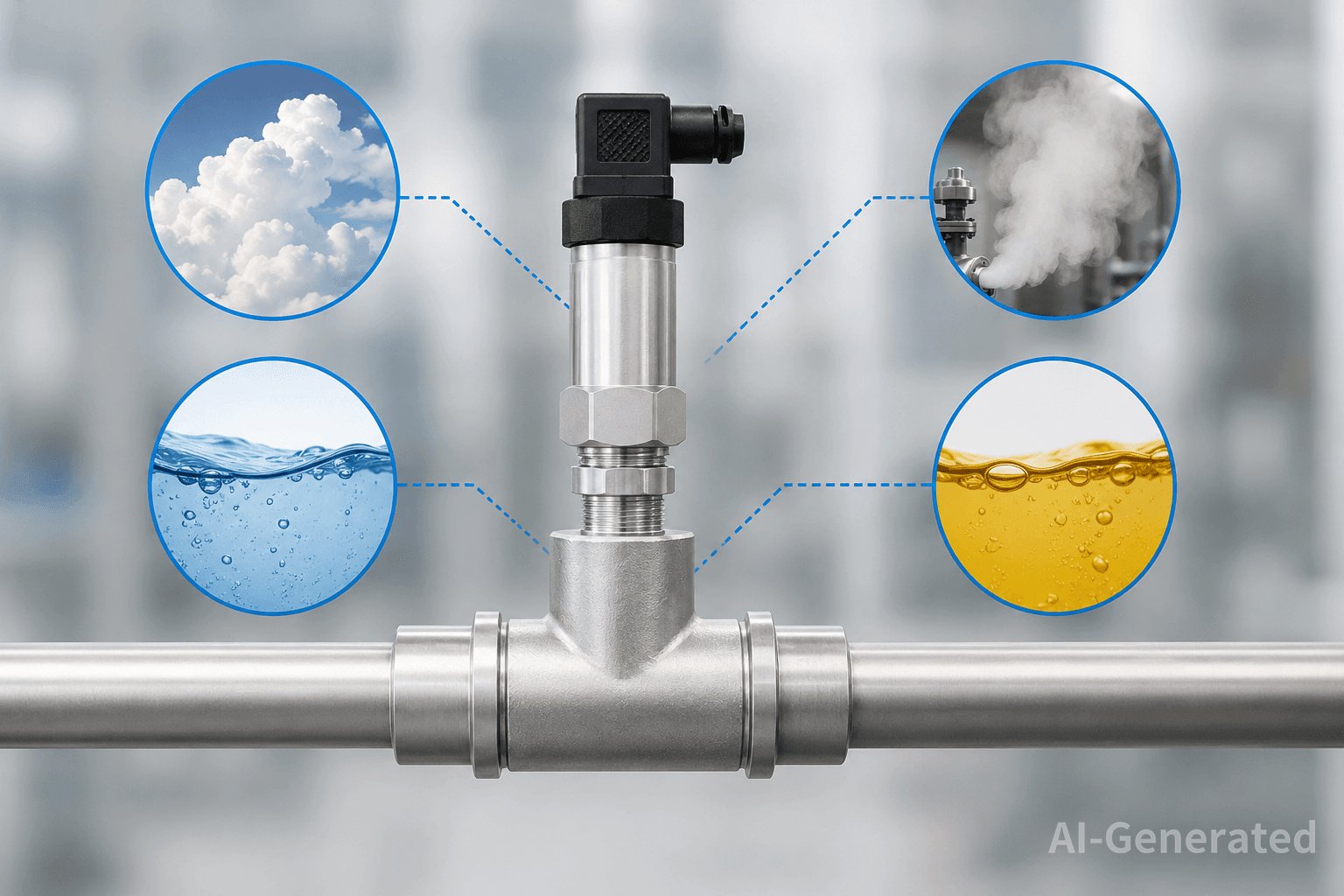
One of the reasons pressure sensors are so widely used is their ability to measure different types of media under various operating conditions. Depending on the sensor design and application requirements, a pressure sensor can measure gases, liquids, steam, and other industrial fluids.
| Medium | Typical Applications | Industry |
| Air | Air compressors, pneumatic cylinders | Factory Automation |
| Water | Pumps, pipelines, water treatment systems | Water Treatment |
| Hydraulic Oil | Hydraulic presses, injection molding machines | Hydraulic Systems |
| Natural Gas | Gas distribution pipelines | Energy |
| Steam | Boilers and heating systems | Power Generation |
Selecting the correct pressure sensor depends not only on the pressure range but also on the characteristics of the measured medium, including temperature, viscosity, corrosion resistance, and chemical compatibility. Choosing the right sensor helps improve measurement accuracy, extend service life, and reduce maintenance requirements.
Why Are Pressure Sensors Important?
A pressure sensor does much more than simply measure pressure. It provides the real-time data needed for industrial control systems to monitor equipment performance, detect abnormal operating conditions, and automatically adjust system operation when necessary.
For this reason, pressure sensors are often considered the "eyes" of a pressure monitoring system. By continuously tracking pressure changes, they help prevent equipment overload, reduce unexpected downtime, improve product quality, and support predictive maintenance strategies.
Compared with mechanical pressure gauges, electronic pressure sensors also enable remote monitoring, data logging, alarm functions, and seamless integration with PLCs, HMIs, and industrial automation platforms. These capabilities make them indispensable for smart factories and digital manufacturing environments.
Pressure Sensor Applications
Pressure sensors are widely used in modern industries to provide accurate pressure measurement, real-time pressure monitoring, and reliable feedback for automated control systems. By continuously detecting pressure changes, they help improve equipment performance, enhance operational safety, and increase production efficiency.
the most common pressure sensor applications:
| Industry | Typical Applications | Key Benefits |
| Industrial Automation | PLC-controlled production lines, robotic systems | Improves process control and production efficiency |
| Hydraulic Systems | Hydraulic presses, pumps, cylinders | Prevents overload and protects equipment |
| Pneumatic Systems | Air compressors, pneumatic actuators | Maintains stable air pressure and precise motion control |
| Water Treatment | Pumps, pipelines, filtration systems | Ensures stable water flow and detects leaks |
| HVAC Systems | Air conditioning, ventilation, chillers | Optimizes system performance and energy efficiency |
Across industries, industrial pressure sensors play a vital role in automation and process control. They provide reliable pressure data for intelligent monitoring, equipment protection, and predictive maintenance, making them essential components in modern manufacturing and Industry 4.0 environments.
FAQs
1. How does a pressure sensor work?
A pressure sensor detects the force exerted by a gas or liquid on its sensing element. This force is converted into an electrical signal, which is then transmitted to a PLC, controller, or monitoring system. Different sensing technologies, such as piezoresistive and capacitive, are used depending on the application.
2. How do I choose the right pressure sensor?
Choosing the right pressure sensor depends on several factors, including the pressure range, measured medium, output signal, operating temperature, installation method, and environmental conditions. Selecting a sensor that matches your application improves measurement accuracy, reliability, and service life.
3. What is the difference between a pressure sensor and a pressure transducer?
A pressure sensor detects pressure and generates a raw electrical signal, while a pressure transducer includes additional signal conditioning electronics that convert the signal into standard outputs. In industrial automation, the two terms are sometimes used interchangeably, but technically they are not identical.
Conclusion
Pressure sensors are fundamental components in modern industrial automation, enabling accurate pressure measurement, reliable monitoring, and efficient process control across a wide range of applications. From hydraulic systems and pneumatic equipment to HVAC and water treatment, they improve operational safety, equipment reliability, and production efficiency. Understanding how pressure sensors work and where they are used is the first step toward selecting the right solution for your application.
Keep Learning
A Complete Guide to DIN Rail Terminal Blocks
Introduction In a control cabinet, field wiring from sensors, switches, valves, and other equipment must be connected to PLC I/O, power supplies, relays, and protection devices. Without a defined termination point, wiring becomes harder to trace, test, and maintain. DIN rail terminal blocks provide a structured interface between field wiring and internal cabinet circuits. Depending on the application, a terminal strip may include feed-through, PE, disconnect, fuse, distribution, or multi-level termina......
How to Choose Between Screw, Spring, and Push-In Terminal Blocks
Introduction The connection method is more than a choice between a screw, a spring, or a push-in mechanism. It determines how clamping force is generated, how the conductor is retained, how the connection responds to vibration and temperature changes, and how much time is required for installation and maintenance. Screw-clamp, spring-clamp, and push-in terminal blocks can all provide reliable electrical connections when correctly specified. The difference is how each design achieves that connection an......
How to Select a Terminal Block: A Complete Selection Guide
Introduction Choosing the right terminal block requires more than matching voltage and current ratings. Terminal block selection also depends on wire size, conductor type, connection method, mounting configuration, available space, operating environment, and safety requirements. In control panels and industrial equipment, the terminal block must provide a reliable electrical connection while supporting efficient wiring, testing, and maintenance. A practical selection sequence is: Application → Voltage......
What Is a Terminal Block? Types, Working Principles, and Applications
Introduction A terminal block is a modular electrical connector used to securely connect and organize multiple wires in electrical systems. It provides a reliable connection point for power distribution, signal transmission, and circuit management. Commonly used in industrial automation, control panels, and electrical equipment, terminal blocks help improve wiring organization, simplify maintenance, and enhance system reliability. In this guide, you will learn what a terminal block is, how it works, t......
5 Common Pressure Sensor Problems and How to Troubleshoot Them
Introduction: In previous articles, we explored “What Is a Pressure Sensor?”, “Pressure Sensors Explained: Working Principles, Types, and Applications,” and “How to Select the Right Pressure Sensor,” covering the fundamentals of pressure sensors, including their working principles, types, applications, and key selection considerations. However, even a properly selected pressure sensor may encounter performance issues during operation due to factors such as wiring errors, improper installation, harsh e......
How to Select the Right Pressure Sensor?
Introduction: In previous articles, we explored “What Is a Pressure Sensor?” and “Pressure Sensors Explained: Working Principles, Types, and Applications,” covering the fundamentals of pressure sensors, including how they work, different sensor types, and their applications across industrial automation systems. However, understanding how pressure sensors work is only the first step. In real industrial applications, selecting the right pressure sensor requires engineers to consider multiple factors, in......