Best Conveyor Belt Materials & Their Uses
9 min
- What Materials Are Used to Make a Conveyor Belt
- Key Criteria for Choosing the Right Conveyor Belt Material
- Boost Your Production with the Right Conveyor Supplier
- FAQs
- Final Thoughts
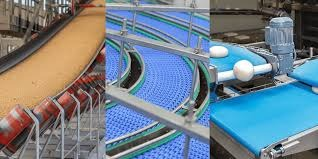
Conveyor belts are the backbone of modern manufacturing and distribution, silently driving efficiency across countless operations. But their performance isn't just about motors or pulleys—it hinges on one critical factor: the material used for conveyor belt construction. Choosing the wrong conveyor belt material can quickly lead to operational headaches—premature wear, product damage, contamination risks, and soaring maintenance costs.
A conveyor belt works under constant stress. It bends around pulleys thousands of times per hour, takes impact from heavy loads, and deals with whatever the environment throws at it. That's why the material used for conveyor belt systems needs to balance tensile strength, flexibility, abrasion resistance, and environmental compatibility to keep things running reliably.
In this article, we'll look at the main types of materials used for conveyor belts, how they behave in real conditions, and how to choose the right option for performance, durability, and cost control.
What Materials Are Used to Make a Conveyor Belt
The primary materials used in conveyor belts include rubber, fibers, metals, and polymers. Their performance largely depends on the composition of these materials. Selecting the right material is a crucial prerequisite for different industrial settings and transportation requirements.
It's worth noting that conveyor belts often contain internal fiber-reinforced layers that act as a structural backbone. Polyester and nylon fibers are the most common combination for this purpose. For high-load applications or specialized environments, metal components are integrated into the belt. Steel wires or steel plates can withstand extreme impacts and high temperatures while also providing cut resistance.
By the way, Polyurethane and other plastics can be applied to the rubber surface or embedded within the structural layers to extend the belt's service life and adapt to wet or corrosive conditions.
Below is a quick overview of the main materials used in conveyor belts and their key properties:
| Material | Primary Applications | Temperature Range | Core Strength | Main Limitation |
| PVC | Packaging, logistics, assembly | -10°C to 60°C | Affordable, moisture-resistant | Limited heat tolerance |
| Rubber | Mining, aggregates, bulk transport | -20°C to 120°C | High impact & abrasion resistance | Oil sensitivity unless compounded |
| Polyurethane (PU) | Precision handling, food processing | -20°C to 80°C | Cut resistant, hygienic surface | Higher cost than PVC |
| Silicone | Bakeries, freezing lines | -60°C to 200°C | Thermal flexibility | Lower abrasion resistance |
| PTFE | Industrial ovens | Up to 260°C | Non-stick, chemical-resistant | Premium pricing |
| Nitrile | Rubber Oil processing | -20°C to 100°C | Hydrocarbon resistance | Reduced flexibility |
| Viton | Chemical & pharma | High heat & aggressive chemicals | Extreme durability | Very high cost |
Exact ranges vary by manufacturer specification. No single material used for conveyor belt applications is universally superior. Performance depends entirely on application demands.
Multi-Purpose Conveyor Material Used in Industrial Settings
In many industrial settings, conditions were often harsh, so durability and practicality took precedence when choosing conveyor belt materials. Under these circumstances, materials such as PVC, rubber, and PU naturally emerged as preferred options.
Polyvinyl Chloride (PVC) Conveyor Belts
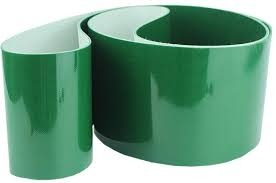
PVC belts combine a polyester fabric carcass with a polyvinyl chloride coating. This layered design creates a lightweight yet durable material used for conveyor belts in warehouses, packaging lines, and light manufacturing.
PVC offers:
- Good abrasion resistance
- Moisture tolerance
- Low cost per meter
For moderate loads in temperature-controlled environments, PVC is often the most economical material used for conveyor belts. However, prolonged exposure to elevated heat causes degradation. In high-temperature settings, alternative materials provide better longevity.
Rubber Conveyor Belts
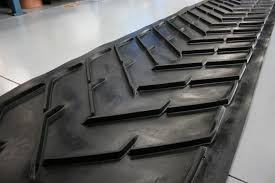
Rubber remains the most widely specified conveyor material used in heavy-duty operations. Its flexibility allows it to absorb impact from bulk materials such as gravel, ore, or recycled scrap.
Reinforced rubber belts provide:
- High tensile strength
- Excellent shock absorption
- Strong resistance to abrasive materials
Specialty rubber compounds improve oil and heat resistance. Selecting the correct compound ensures the conveyor belt material used in these systems performs reliably under demanding conditions.
Polyurethane (PU) Conveyor Belts
Polyurethane belts are engineered for precision and hygiene. Their smooth surfaces and high cut resistance make them common in food, electronics, and pharmaceutical applications.
Compared to PVC, they offer:
- Greater abrasion resistance
- Improved flexibility
- Better sanitation profile
PU has become a preferred material used for conveyor belts where cleanliness and durability intersect. Although more expensive than PVC, its extended service life often reduces long-term operating costs.
Hygienic & Food-Safe Conveyor Belt Options
The global food processing industry is subject to stringent safety regulations. All equipment and components in direct contact with food must comply with relevant standards, such as the U.S. FDA 21 CFR (e.g., Part 177 for food contact materials) and the EU Regulations 1935/2004 and 10/2011 for plastics. In addition, these materials must withstand frequent cleaning and sanitization without chemical or mechanical degradation.
Food-Approved PVC Conveyor Belts
Food-grade PVC belts are formulated to prevent contamination during direct food contact. Smooth surfaces minimize particle retention and simplify cleaning. This conveyor belt material performs well in dry food packaging, sorting, and light processing. However, exposure to high animal fats or heat may shorten lifespan.
Thermoplastic Polyurethane (TPU) Conveyor Belts
TPU belts provide superior resistance to oils, fats, and cleaning chemicals. Their non-porous surfaces reduce microbial growth risk.
Why TPU is a leading conveyor material used in sanitary environments:
- Resistant to hydrolysis
- High tear strength
- Withstands repeated washdowns
For meat, dairy, and bakery lines, TPU often delivers better durability than standard PVC. The higher initial cost is typically offset by longer replacement intervals.
Heat-Resistant Conveyor Belt Materials
Temperature extremes place significant stress on belt compounds. Selecting an inappropriate material used for conveyor belts in thermal environments can lead to cracking, warping, or delamination.
Silicone-Based Conveyor Belts
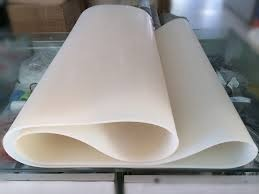
Silicone belts remain flexible across wide temperature ranges, often from -60°C to 200°C. This makes them suitable for bakeries, drying systems, and freezing tunnels.
The key benefit of this conveyor belt material is thermal stability: it maintains shape and flexibility under repeated heating and cooling cycles. However, silicone does not provide the abrasion resistance required for heavy industrial loads.
PTFE-Coated Conveyor Belts
PTFE belts are engineered for extreme heat applications exceeding 250°C. Their non-stick surfaces reduce product adhesion and improve production efficiency.
Advantages include:
- Exceptional thermal tolerance
- Chemical resistance
- Low friction coefficient
Because of its premium pricing, this conveyor belt material is typically reserved for specialized industrial ovens or chemical-intensive processes.
Conveyor Materials Built for Harsh Chemical Environments
Conveyor belts in chemical and pharmaceutical industries must withstand a harsh combination of aggressive chemicals, high temperatures, and continuous mechanical stress. Material choice directly impacts belt longevity, process reliability, and compliance with safety and hygiene standards.
Nitrile Rubber Conveyor Belts
Nitrile rubber resists petroleum-based products and solvents. It is commonly specified as the conveyor belt material in oil processing and heavy manufacturing.
Although slightly less flexible than standard rubber, nitrile's hydrocarbon resistance significantly extends belt life in chemically exposed environments.
Viton Conveyor Belts
Viton belts provide advanced chemical and temperature resistance. Pharmaceutical production and specialty chemical plants rely on this high-performance conveyor belt material when exposure conditions exceed standard limits.
Its cost reflects specialized capability. In extreme environments, Viton prevents frequent failures and unplanned downtime.
Key Criteria for Choosing the Right Conveyor Belt Material
How to select appropriate conveyor belt materials according to industry requirements? The decision-maker needs to comprehensively consider the characteristics of the conveyed materials, the working environment, load requirements, and industry standards, prioritizing the efficiency, safety, and durability of the conveyor system.
- Product Characteristics & Handling Needs: Sharp materials demand abrasion resistance. Fragile goods require smooth surfaces. Load weight directly influences the tensile strength required of the conveyor belt material.
- Operating Temperature Conditions: Continuous heat differs from intermittent spikes. Always confirm temperature ratings before specifying a material for conveyor belts.
- Exposure to Oils, Chemicals, or Moisture: Chemical compatibility charts help determine whether the selected conveyor belt material will withstand environmental exposure.
- Structural Demands & Load Capacity: Tensile strength, ply construction, and belt thickness determine load performance. Underestimating these values can cause stretching or tearing of the conveyor belt material.
- Compliance & Industry Regulations: Regulated industries require certified materials. Confirm documentation to ensure the conveyor belt material meets safety standards.
Boost Your Production with the Right Conveyor Supplier
Efficiency starts with the right conveyor belt material, and even the best materials fall short without a reliable supplier. That's where JLCMC Conveyor Belts comes in. We combine advanced conveyor components with precision-engineered belts to meet the demands of industries such as food processing, pharmaceuticals, chemical plants, and heavy manufacturing.
Our solutions ensure that each belt performs consistently under stress—whether handling heavy loads, exposure to chemicals, or extreme temperatures—while maintaining dimensional stability and extending operational life. By integrating high-quality materials with robust design, JLCMC helps businesses reduce downtime, optimize workflow, and achieve measurable productivity gains. Contact JLCMC today to implement conveyor systems engineered for performance and durability.
FAQs
What are the three types of conveyor belts?
General-purpose belts, food-grade belts, and specialty belts for heat or chemical resistance. Each type uses a material suited to its environment.
What materials are used in conveyor belts?
Common options include PVC, rubber, polyurethane, silicone, PTFE, nitrile rubber, and Viton. The choice of conveyor belt material depends on temperature, load, and exposure conditions.
Which is better, PVC or PU conveyor belt?
PVC is cost-effective and suitable for light-duty applications, while PU provides better abrasion resistance and hygiene performance. The best conveyor belt material depends on operational needs.
What are the grades of conveyor belts?
Grades classify belts based on tensile strength, abrasion resistance, heat tolerance, and chemical compatibility. Choosing the right grade ensures the conveyor belt material meets application requirements.
Final Thoughts
The right conveyor belt material drives efficiency, reliability, and long-term cost control. Each material offers specific advantages tailored to particular environments.
Careful evaluation of operating conditions ensures the chosen conveyor belt material delivers consistent performance and sustained operational value.
For operations seeking dependable performance and engineered reliability, JLCMC provides precision-manufactured conveyor components and material solutions that meet demanding industrial standards.
Keep Learning
Leveling Casters: Load Transfer and Workbench Setup
Key Takeaways Load Separation: Assess rolling loads and stationary support loads separately; a general capacity label does not explain every operating condition. Total Weight Sizing: Include the bench, equipment, fixtures and maximum payload in the load estimate. Corner Reaction Differences: Four installed casters do not guarantee four equal reactions, especially on uneven floors or with equipment concentrated at one end. Mounting & Clearance Checks: Check adjustment access, wheel sweep and pad cleara......
How to Identify V Belts and Their Types to Improve Factory Automation Efficiency
What Is a V-Belt? A V-belt is a flexible power transmission belt with a trapezoidal (V-shaped) cross-section. It transmits torque through the friction generated between the belt’s sidewalls and the grooves of a pulley. Typically constructed from rubber compounds reinforced with fiber or steel cords, V-belts combine strength with flexibility. They are designed to improve transmission efficiency, reduce slippage, and dampen vibration and noise. As a result, V-belts are widely used in applications such a......
How to Tension a Belt: Exact Methods for Peak Drive Performance
Belt tensioning is the single variable that determines whether a power transmission system operates efficiently or consumes itself from the inside out. Get it wrong, and the damage extends far beyond the belt itself—bearings overload, pulleys wear unevenly, and shaft seals begin leaking. There is no warning siren before a belt snaps; the first indication of trouble is often slippage under load or the acrid smell of overheated rubber. By that point, the failure has already propagated through the drive ......
Types of Conveyor Belt in Warehouse Operations Across Industries
A few years ago, I walked through a mid-sized distribution center in the Midwest that had just finished its first automation retrofit. What struck me wasn't the robotics or the software dashboards—it was the conveyor belt. Hundreds of meters of it, running at different speeds, handling everything from fasteners to equipment hardware, all while the floor manager tracked throughput on a tablet. That single piece of equipment, often overlooked, turned out to be the backbone of the entire operation. Conve......
V-Belt Measurement for Accurate Sizing and Replacement
A V-belt is a power transmission belt with a V-shaped cross-section that efficiently transmits motion between pulleys through wedging friction. How to Measure a V-Belt (Vee Belt) Beginners often make several common mistakes when measuring V-belt size, such as estimating length by folding the belt, using a simple ruler for approximate measurement, ignoring the belt cross-section, or measuring the belt in a slack condition. These are incorrect practices and can lead to improper belt selection or even da......
Best Conveyor Belt Materials & Their Uses
Conveyor belts are the backbone of modern manufacturing and distribution, silently driving efficiency across countless operations. But their performance isn't just about motors or pulleys—it hinges on one critical factor: the material used for conveyor belt construction. Choosing the wrong conveyor belt material can quickly lead to operational headaches—premature wear, product damage, contamination risks, and soaring maintenance costs. A conveyor belt works under constant stress. It bends around pulle......