Understanding Different Types of Hex-Head Screws
8 min
- Hex Socket Screw Types at a Glance
- Socket Head Cap Screws
- Low-Head and Ultra-Low-Head Socket Screws
- Button Head Socket Screws
- Flat Head or Countersunk Socket Screws
- Hex Socket Set Screws
- Hex Socket Shoulder Screws
- Comparison of Different Types of Hex Socket Screws
- How to Choose the Right Type of Hex Screws
- Frequently Asked Questions
- Choose the Right Type of Hex Socket Screw For Your Applications
Hex socket screws use a six-sided recess inside the head. You turn them with a hex key or hex bit. The basic drive stays similar across the range, but the head shape and screw form change from one type to another. These differences affect head clearance, surface contact, and the role of the screw in the joint.
People often group all hex screw types under one name. A socket head cap screw does not serve the same role as a set screw or shoulder screw. You should check the head profile and thread layout before you choose a fastener.
Hex Socket Screw Types at a Glance
The main types of hex head screws in the socket family include cap, low head, button, flat, set, and shoulder forms. Each type has a clear purpose. The table below gives you a quick comparison.
| Type | Main Feature | Common Reason to Choose It |
| Socket head cap | Tall round head | High tool contact and strong clamp joint |
| Low head | Shorter head | Less space above the joint |
| Ultra-low head | Extra-short profile | Tight top clearance |
| Button head | Wide, rounded head | Low exposed profile |
| Flat head | Cone-shaped underside | Flush surface |
| Set screw | Usually no raised head | Holds one part against another |
| Shoulder screw | Smooth precision shoulder | Pivot or guide point |
Current fastener catalogs list socket head cap, low head, shoulder, countersunk, button, and set screws as separate product families.
Socket Head Cap Screws
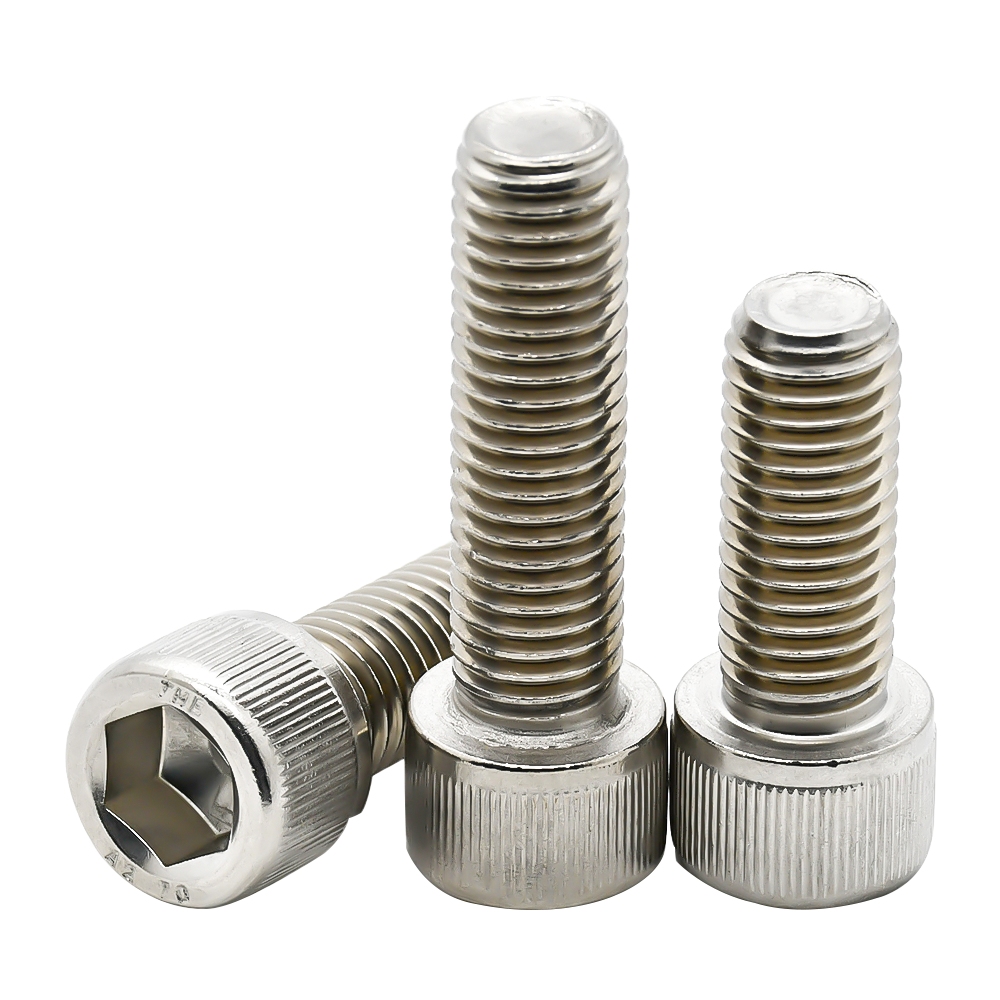
A socket head cap screw has a tall round head with a hex socket in the center. The tall cylindrical head makes room for a deep hex socket, and when well matched with a hex key or bit, the tool engages the screw fully, while the flat underside beneath the head rests against the joint surface. Its load capacity depends on its size, property class, and joint design. This type suits machine parts and brackets where you have enough room above the screw.
ISO 4762 covers a common metric socket head cap screw form. Product ranges also offer several materials and property classes, so the drive size alone does not tell you the screw strength.
Among the different types of hex screws, the socket head cap form often gives you more head height than button or low-head versions. Do not replace it with a shorter head only because both screws share the same thread size.
Low-Head and Ultra-Low-Head Socket Screws
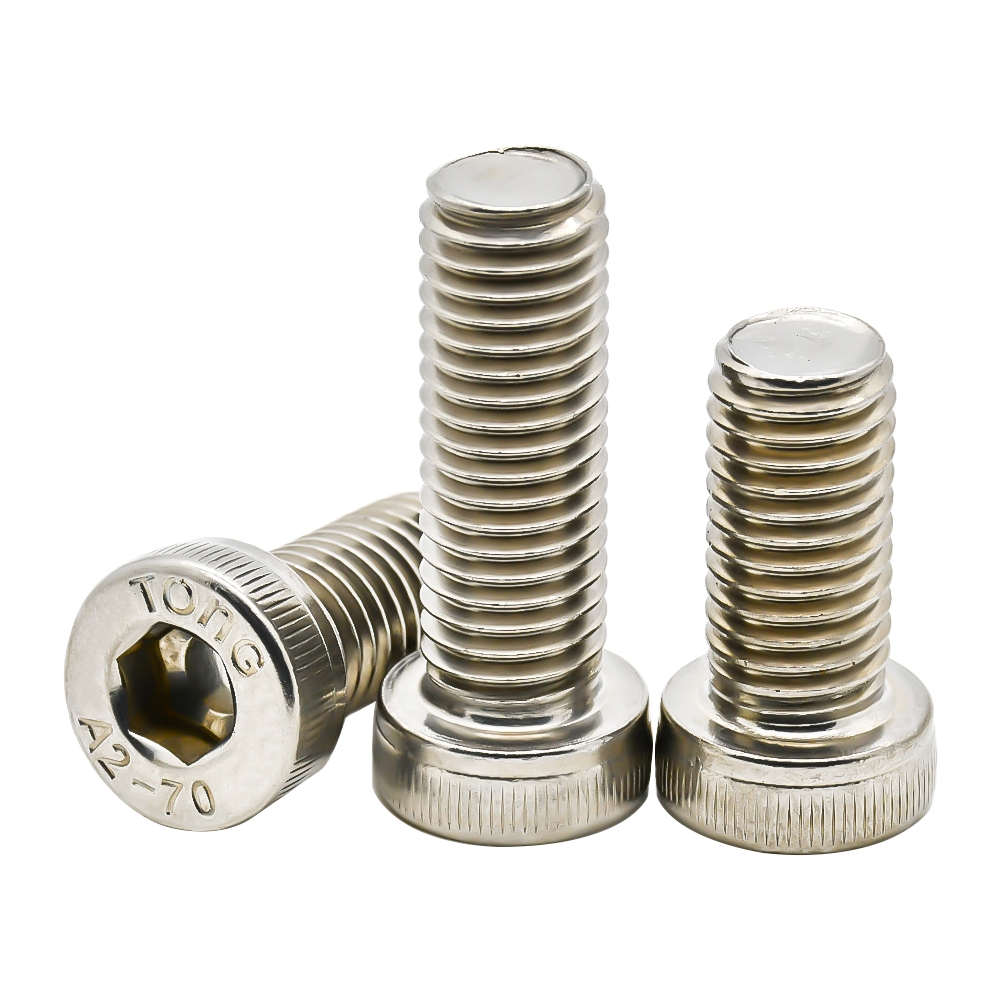
Low-head socket screws reduce the height above the part. They suit joints where a normal socket head cap screw stands too high. Ultra-low versions reduce this height even more, where top clearance has a strict limit.
The shorter head leaves less material around the hex socket. For this reason, you should not assume a low-head screw has the same load capacity as a standard cap screw of the same thread size. Check the maker's property data before you replace one type with another.
These hex screw head types work well when head clearance matters more than maximum head depth. They also give a cleaner low profile on parts with limited space above the joint.
Button Head Socket Screws
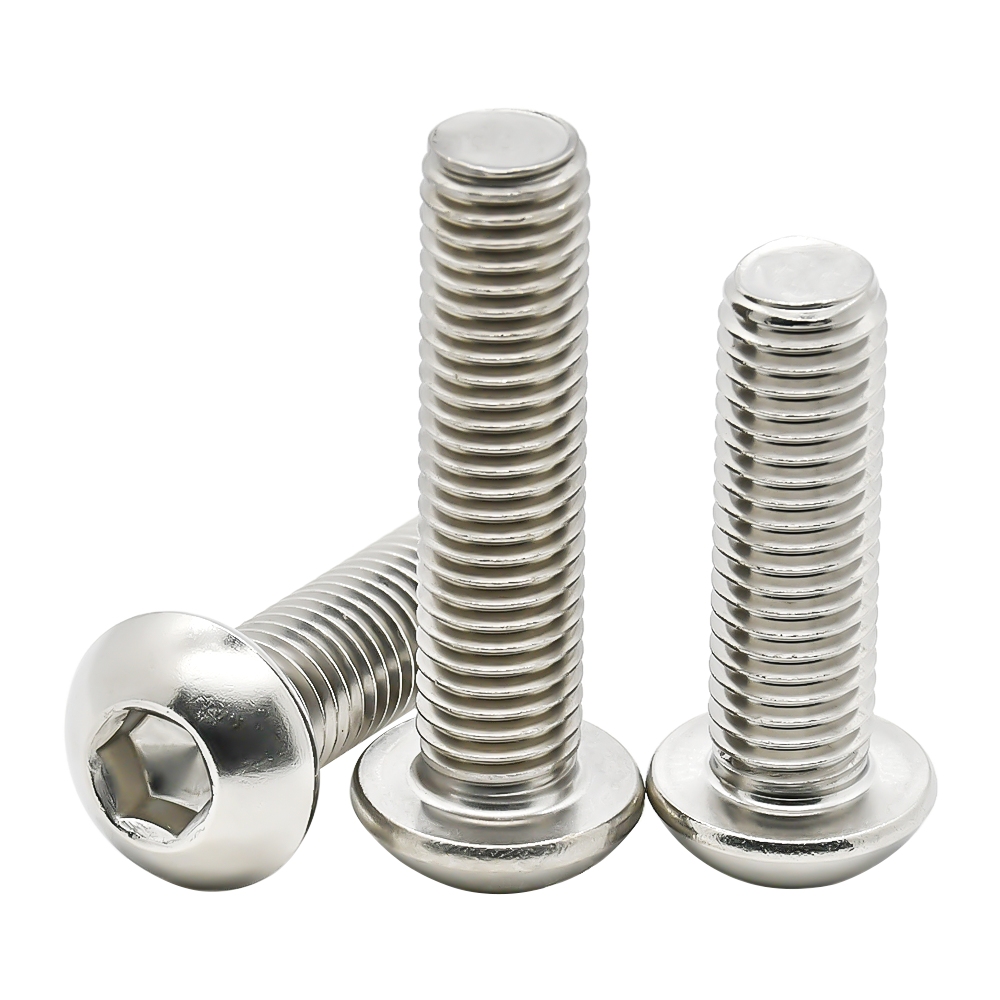
A button head socket screw has a broad round head with a low curved top. It has a low overall height, and its load capacity depends on the applicable standard, head geometry, material, and property class. People often choose this form where the screw head stays visible or where a tall head gets in the way.
ISO 7380 includes button head socket screw forms. Bossard notes reduced load capacity for one ISO 7380-2 button-head product because of its head geometry. This shows why you should check the exact product rather than treat all socket screws as equal.
A button head is not the same as a pan head. The profiles and standards differ even if both have a low rounded look.
Flat Head or Countersunk Socket Screws
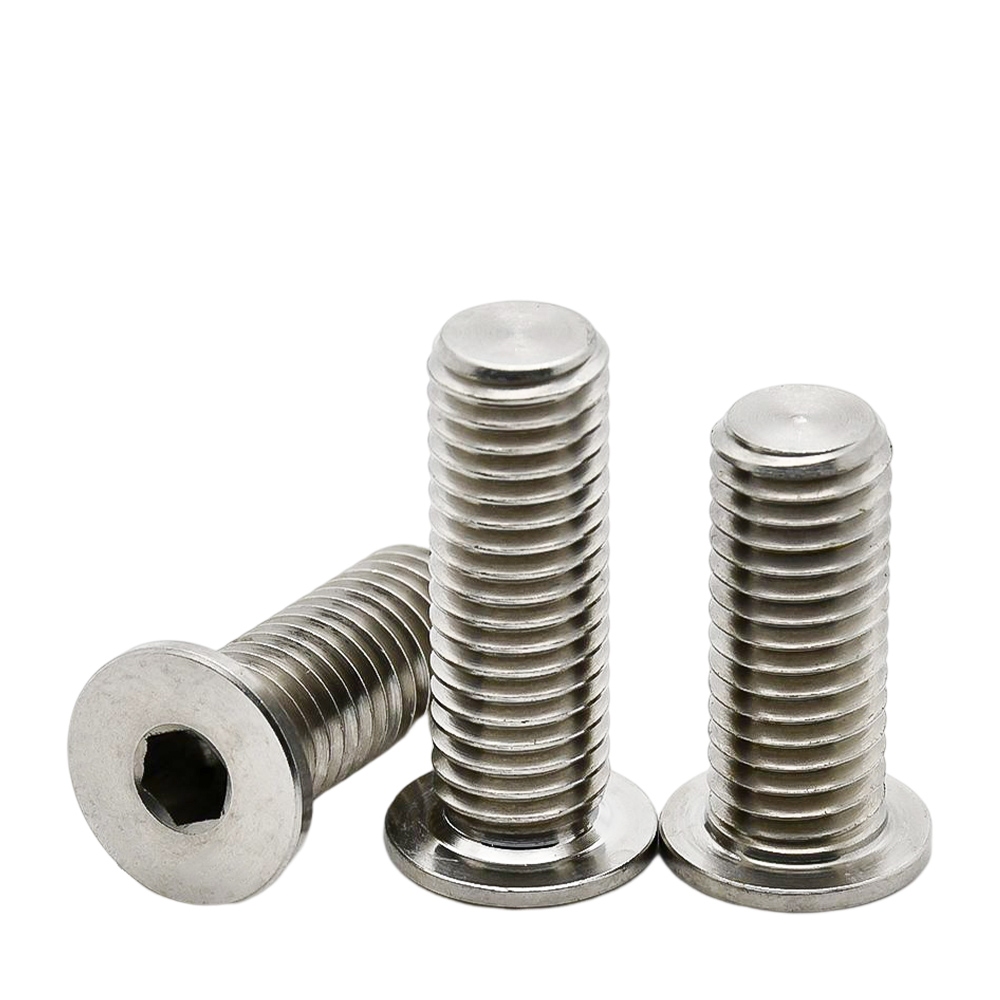
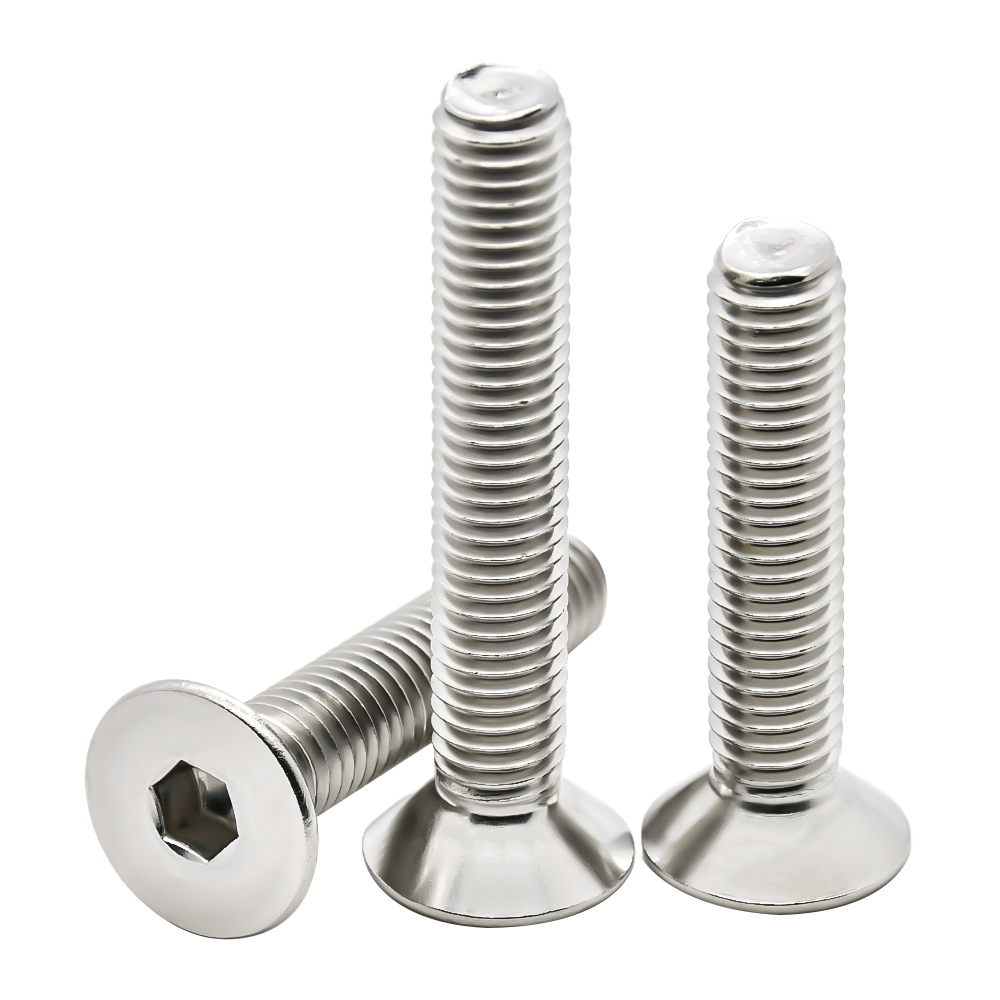
A flat head socket screw has a cone-shaped section below the top surface. It fits inside a countersunk hole, so the top of the screw sits close to flush with the part. This form suits a surface where a raised screw head would cause a clearance issue.
ISO 10642 covers a common metric countersunk hex socket screw form. The countersink angle and hole shape must match the screw specification. A poor match puts contact in the wrong area of the head.
This hex type screw needs a prepared countersunk seat. Do not place it in a flat hole and expect the head to give proper surface contact.
Hex Socket Set Screws
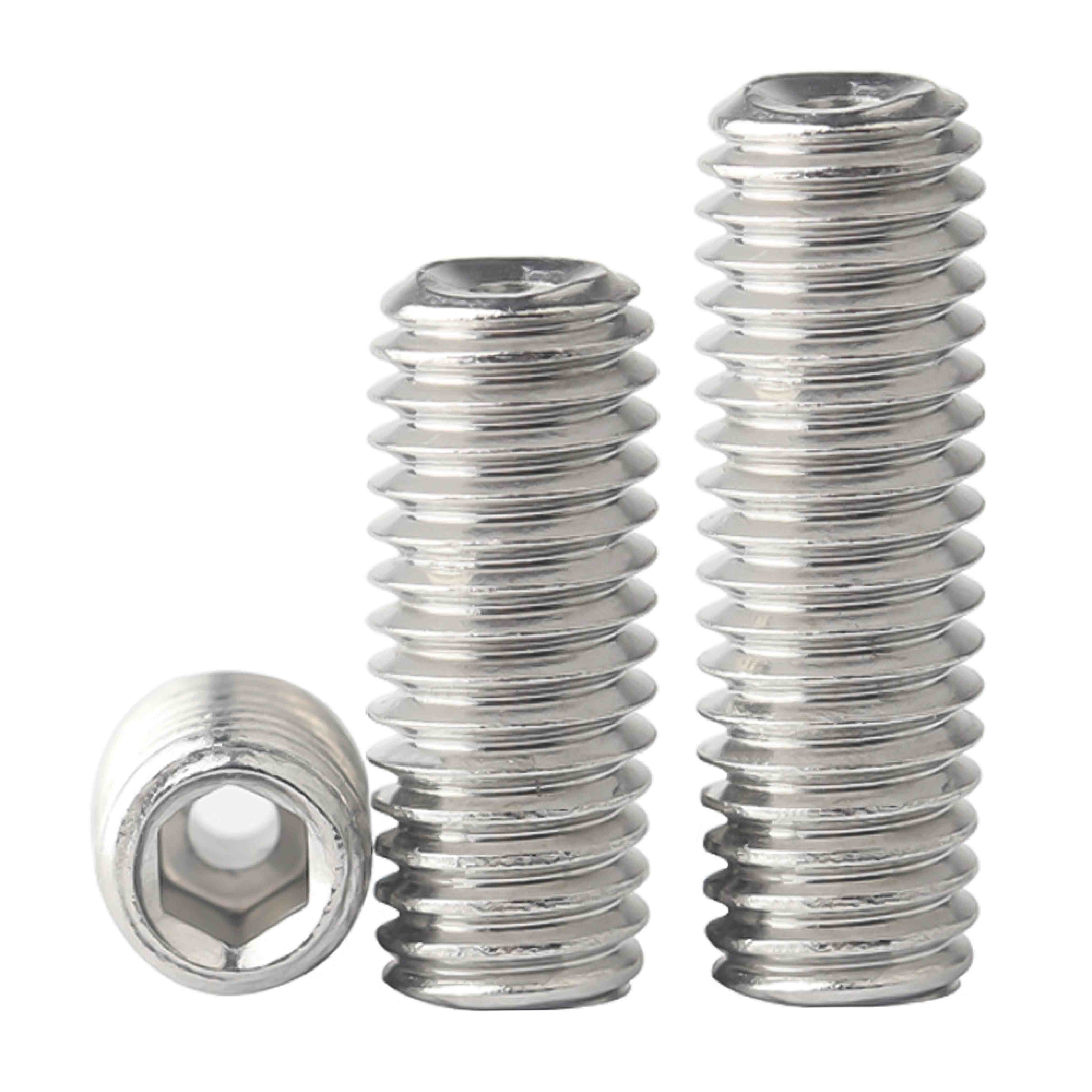
A set screw usually has no raised head. The hex socket sits inside the screw body, so the whole screw fits inside a threaded hole. People often use set screws to hold a collar or similar part against a shaft.
Set screws come with several tip forms. Common examples include cup, flat, cone, and dog points. ISO standards such as ISO 4026 through ISO 4029 cover several set screw point forms.
The point style affects how the screw contacts the part below it. Choose the point for the joint design rather than from the hex socket size alone.
Hex Socket Shoulder Screws
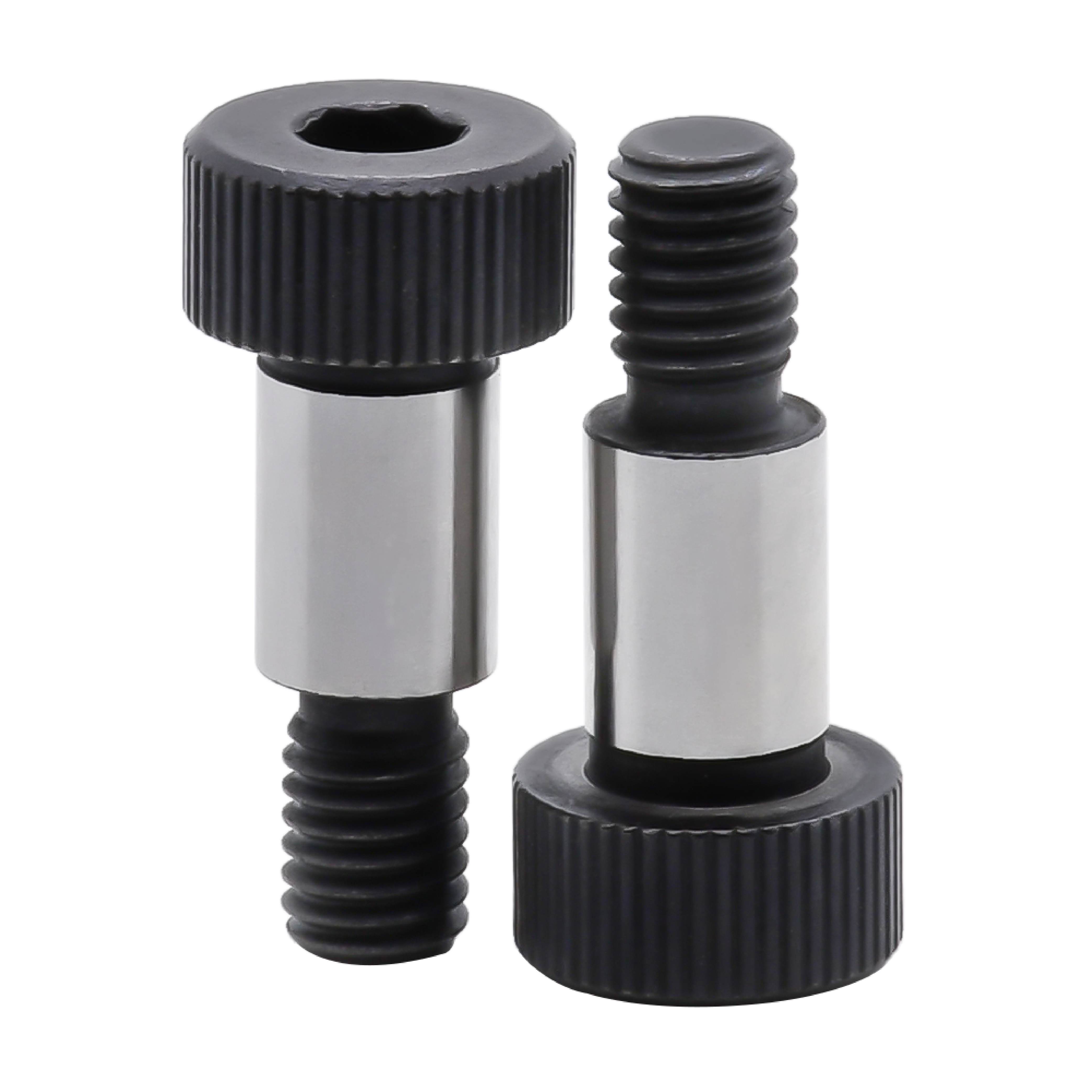
A shoulder screw has a smooth round section between the head and the threaded end. This smooth section acts as the shoulder. Its diameter and length matter because the shoulder often contacts another part directly.
People use shoulder screws where a part needs a guided surface or pivot point. The thread secures the screw, while the smooth shoulder provides a controlled surface for the part around it.
These screws differ from normal cap screws because the shoulder forms a key part of the joint. Match the shoulder diameter and length to the part, then check the thread size.
Comparison of Different Types of Hex Socket Screws
Head height creates one of the clearest differences between hex head screw types. A standard socket cap screw has a taller head, while low-head and button forms reduce the exposed profile. A flat head goes into a countersunk seat and leaves little material above the surface.
Surface contact also changes by head type. Button heads have a broad underside, while flat heads rely on the countersunk seat. Set screws do not use a normal head contact surface at all. Shoulder screws add a smooth section that serves a different mechanical role.
Tool access matters too. You need enough space above the screw to insert the hex key or bit. The outer head often needs less side clearance than an external hex head because the tool enters from the top.
How to Choose the Right Type of Hex Screws
Start with the joint design. Check how much space you have above the part and whether the surface needs a flush head. Then check thread size and required thread depth. A shoulder screw also needs the correct shoulder dimensions.
Next, review load needs and property class. A lower head does not automatically give the same strength as a standard socket cap screw. Material and finish also matter, especially where moisture or contact with another metal creates a corrosion concern.
Check the current product standard before you substitute one screw family for another. Similar thread sizes do not make two socket screw forms equal. The head geometry and load path might differ.
Frequently Asked Questions
Which type has the lowest profile?
Ultra-low-head screws have a short raised profile. Flat head screws sit close to flush when you use the correct countersunk hole.
Are button and pan heads the same?
No. They use different head profiles and product standards, even though both have a rounded appearance.
Can a lower head replace a socket head cap screw at the same size?
Not by size alone. Check load capacity, head geometry, and the product standard before you make a substitution.
Choose the Right Type of Hex Socket Screw For Your Applications
The types of hex head screws in the socket family solve different space and joint needs. A cap screw gives you a tall tool recess, while a low-head or button screw reduces head height. Flat heads suit flush surfaces, while set and shoulder screws serve more specific joint roles.
Choose from the different types of hex screws by head clearance and joint design first. Then check thread size and strength class. A close look at these details helps you choose a screw that fits the part and performs as the joint requires.
Popular Articles
Keep Learning
Self-Tapping Screws: Types, Head Styles & How to Choose
Key Takeaways Self-tapping screws cut their own mating thread as they are driven, so no pre-tapped hole is needed on the receiving part. The tip decides how the thread is made: thread-forming tips displace material in suitable ductile stock, thread-cutting tips remove it as chips, and self-drilling tips add their own drill point. Head style decides the seating: pan heads sit proud for surface mounting, countersunk heads end flush, and hex washer heads spread load over structural joints. Match the base......
Polyurethane Bumper Energy Calculation: Impact Kinetic Formulas, Stroke & Duty Cycles
Key Takeaways Impact energy depends on contact velocity squared, so a small speed change can materially alter the stopping event. Physical bumper height is not the same as permitted compression or usable stopping distance. Include work from a drive force that continues during compression, plus gravity or rotational effects where applicable. Hardness describes indentation resistance; it is not an energy rating or a complete force-deflection curve. Repeated impacts require a duty assessment as well as a......
Rubber Vibration Isolator Natural Frequency Calculation & Rigid Bypass Troubleshooting Standards
Key Takeaways Trace every mechanical connection between the isolated assembly and its surroundings, including services and guards. Compression, shear and tension are different loading conditions; use the data for the intended direction. A mount must be loaded appropriately, not merely kept below its maximum capacity. Keep deliberate retention hardware compatible with the movement needed for isolation. Compare vibration before and after changes at consistent operating conditions and measurement locatio......
What Is a Torx Screw? Star Drive and Security Torx Explained
If you have seen a screw with a six-point star recess, you have likely seen a Torx screw. So, what is a Torx screw? It is a screw with a six-lobe drive profile. You use a Torx bit to turn the screw. People often call this shape a star drive because of its six-lobe form. The standard Torx profile has six smooth, round lobes rather than sharp points. Other six-lobe drive profiles may look similar, but their dimensions can differ, and their tools may not be interchangeable. This shape gives the tool broa......
How to Drill Out a Stripped Screw Safely?
A stripped screw often turns a simple repair into a hard job. The driver slips because the screw recess no longer gives the bit a firm grip. A broken head or rusted screw creates a similar problem. Drilling screws out should come after simpler removal methods fail. Your goal is to remove enough metal to free the screw head without harm to the part. Good control matters more than force. A drill bit that moves off center might damage the hole or nearby surface. Start with a small bit and keep the drill ......
How to Remove a Stripped Hex Bolt: 7 Effective Removal Methods
A stripped hex bolt loses enough tool contact that a normal hex key or socket slips under force. The damage might affect an internal hex recess or the outer bolt head. Rust can make the problem worse because the thread then needs more force to turn. The safest stripped hex bolt removal method starts with a damage check. Use the least harsh option first, then move to stronger methods only if needed. Your main goal is to remove the bolt without harm to the thread or nearby part. What Is a Stripped Hex B......