How to Remove a Stripped Hex Bolt: 7 Effective Removal Methods
9 min
- What Is a Stripped Hex Bolt?
- What Causes a Hex Bolt to Become Stripped?
- Inspect the Bolt Before Removal
- How to Remove a Stripped Hex Bolt
- What Is the Best Removal Method?
- Protect the Part Around the Bolt
- Common Mistakes
- How to Prevent the Problem
- Frequently Asked Questions
- Remove the Bolt With the Least Damage
A stripped hex bolt loses enough tool contact that a normal hex key or socket slips under force. The damage might affect an internal hex recess or the outer bolt head. Rust can make the problem worse because the thread then needs more force to turn.
The safest stripped hex bolt removal method starts with a damage check. Use the least harsh option first, then move to stronger methods only if needed. Your main goal is to remove the bolt without harm to the thread or nearby part.
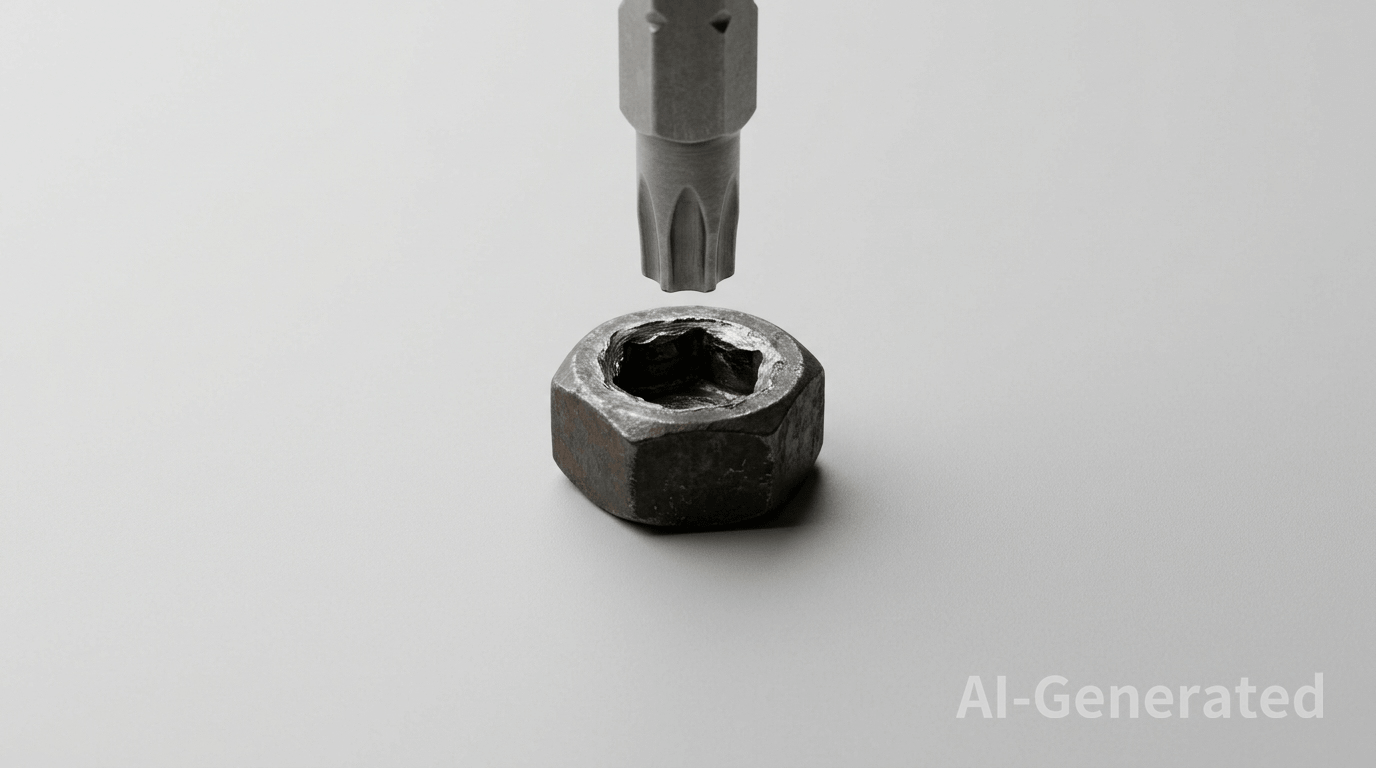
What Is a Stripped Hex Bolt?
A stripped hex fastener has damage at the point where the tool grips the fastener. An internal hex drive might lose its sharp corners. An externally hexagonal bolt head might become round, so a normal socket no longer holds it well.
Thread damage is a different issue. A screw can have a good head but damaged threads, or a damaged drive but intact threads. You need to know which part has failed before you choose a removal method.
When an internal hex recess is badly damaged, replacing the fastener can help prevent the same removal problem during future maintenance. Browse JLCMC hex bolts to compare suitable sizes, thread specifications, and materials.
What Causes a Hex Bolt to Become Stripped?
Wrong tool size causes many stripped bolts. A worn hex key also puts force on a smaller part of the recess. Poor tool angle has a similar effect because the load does not stay even across the drive faces.
Too much torque can also deform the head or socket. Rust raises the force needed to turn the bolt, which puts more stress on an already weak drive. Repeated removal also adds wear over time.
Inspect the Bolt Before Removal
Look at the drive first. If the corners still have shape, a fresh tool in the exact size might work. If the head has major wear, you might need an extractor socket or pliers.
Check for rust around the thread area too. A damaged drive with free threads is easier to remove than a damaged drive with seized threads. Tool access also matters because a recessed bolt gives you fewer grip options.
| Bolt Condition | First Choice |
| Light wear | Exact-size hex tool |
| Moderate damage | Tight Torx bit |
| Rounded outer head | Extractor socket or pliers |
| Rusted thread | Penetrant before removal |
| Heavy damage | Extractor |
| No usable grip | Drill as final option |
How to Remove a Stripped Hex Bolt
Method 1: Use the Exact Hex Tool
For light damage, clean the recess first. Remove dirt and rust from the socket, then insert a fresh hex key to full depth. Keep the tool straight with the bolt and apply slow force.
This is often the first step to loosen a stripped hex bolt. Do not use a metric key in an imperial recess or the reverse unless the fit is exact. A loose tool will make the damage worse.
Method 2: Use a Tight Torx Bit
A Torx bit can be used to remove a fastener with a worn internal hex recess if it seats securely. Because the Torx geometry differs from the internal hex geometry, a Torx bit does not fit every damaged internal hex recess reliably. Choose a bit that fits the recess securely, and never force it into the recess. Keep the bit aligned with the fastener and apply controlled turning force.
This method works best when the screw no longer needs reuse. The Torx lobes can make new contact points inside the old recess. Stop at once if the bit slips, rocks excessively, or cannot seat securely, because further work may damage the recess. Do not apply excessive torque, or the fastener may become harder to remove.
Method 3: Use an Extractor Socket
A dedicated tool to remove a stripped hex bolt often has an internal shape that bites into a worn outer head. An extractor socket mainly grips a rounded or worn externally hexagonal head when a standard socket or wrench no longer holds it firmly. Choose an extractor socket that matches the fastener head size and the tool maker's specifications, then seat it fully and squarely on the bolt head.
Tap it into place only if the tool maker allows this. Use a suitable ratchet or drive tool and apply controlled turning force in the removal direction. Once the bolt starts to turn, keep the motion controlled so the extractor stays secure. If the extractor socket slips or cannot grip firmly, stop and reassess the removal method to avoid further damage to the fastener or the surrounding parts.
Method 4: Use Lock Pliers
If the bolt head sits above the surface, lock pliers can grip the outside. Place the jaws as deep on the head as possible and clamp them firmly. Turn the bolt in the normal removal direction.
This method helps when you need to get out a stripped hex bolt with little useful drive shape left. It works less well if the head has become almost round or sits below the surface.
Method 5: Reduce Rust Resistance
A seized bolt might need help at the threads before any tool works. Clean the area and apply a suitable penetrant around the thread path. Give the product time to reach the rust.
After that, try the extractor or grip method again. If your goal is to fix a stripped hex bolt problem, do not focus only on the head. Rust in the thread can remain the main source of resistance.
Method 6: Use Heat Only Where Safe
Heat can help with some seized metal joints because metal size changes with temperature. This method needs care because nearby seals, wires, fuel, plastic, or paint might suffer damage.
Skip heat if you do not know what sits near the bolt. It also makes little sense on parts where heat might affect material strength. Use another method if the part has a high safety role.
Method 7: Drill as the Last Option
Use a drill only after safer methods fail. First decide whether you are drilling out the bolt head or the bolt shank, because the purpose and approach differ. To drill out a stripped hex bolt, mark the center with a punch first. Start with a small bit and keep the drill in line with the bolt so the hole stays centered.
Increase bit size in small steps if needed. A centered pilot hole helps protect the parent material. If you plan to use an extractor, drill the pilot hole at the diameter and depth specified by the extractor maker, so the internal thread and the parent material stay protected.
Do not force a small extractor with high torque. If it breaks inside the bolt, removal becomes much harder because extractor steel is hard.
What Is the Best Removal Method?
The best way to remove a stripped hex bolt depends on the damage level and thread condition. A lightly worn socket might need only a fresh key, while a round outer head might need an extractor socket.
Use the least harsh method that gives firm contact. If rust holds the thread, reduce that resistance before you add more tool force. Drill only when normal grip methods no longer give a safe option.
Protect the Part Around the Bolt
The base material matters as much as the fastener. Aluminum is softer than many steel bolts, so an off-center drill can damage the original thread fast. Thin parts also give you less room for drill error.
If the bolt sits in an expensive or safety-related part, stop before you risk major damage. Expert repair makes more sense when the cost of a damaged part is much higher than the bolt.
Common Mistakes
Do not start with maximum force. High torque on a weak drive often removes the last useful contact area. Also avoid worn hex tools because rounded tool edges slip much sooner.
Keep the tool straight and use full socket depth. Do not use a ball-end hex key for heavy removal force. If you need to extract a stripped hex bolt, choose the tool from the damage level rather than from bolt size alone.
How to Prevent the Problem
Use the correct key or socket size every time. Push the tool to full depth and keep it straight with the bolt. Follow the correct torque value for the joint.
Replace worn tools and badly damaged bolts. Choose a fastener material that suits the site, especially where water or corrosion is common. Good tool fit helps prevent the same problem later.
Frequently Asked Questions
Is a stripped hex bolt the same as a stripped Allen screw?
Not always. Allen often refers to an internal hex drive, while a hex bolt can also have an external hex head.
Should you reuse a stripped hex bolt?
No, if the drive has major damage. Replace it so the next service job does not face the same problem.
When should a professional remove the bolt?
Use expert help for high-value parts or safety joints. You should also stop if a drill will not stay centered.
Remove the Bolt With the Least Damage
If you need to remove a stripped hex bolt safely, start with a full inspection and exact tool fit. Then move to a Torx bit, extractor socket, or pliers if normal tool contact fails.
For a bolt that will not move, check for rust before you add more force. If you still need to get a stripped hex bolt out, use a drill only as the final method. Protect the thread and parent part throughout the job.
Replacing a damaged bolt may also mean checking the condition of its matching nut. Explore JLCMC hex nuts to find compatible thread specifications for fastening assemblies that use bolts and nuts together.
Popular Articles
Keep Learning
What Is a Torx Screw? Star Drive and Security Torx Explained
If you have seen a screw with a six-point star recess, you have likely seen a Torx screw. So, what is a Torx screw? It is a screw with a six-lobe drive profile. You use a Torx bit to turn the screw. People often call this shape a star drive because of its six-lobe form. The standard Torx profile has six smooth, round lobes rather than sharp points. Other six-lobe drive profiles may look similar, but their dimensions can differ, and their tools may not be interchangeable. This shape gives the tool broa......
How to Drill Out a Stripped Screw Safely?
A stripped screw often turns a simple repair into a hard job. The driver slips because the screw recess no longer gives the bit a firm grip. A broken head or rusted screw creates a similar problem. Drilling screws out should come after simpler removal methods fail. Your goal is to remove enough metal to free the screw head without harm to the part. Good control matters more than force. A drill bit that moves off center might damage the hole or nearby surface. Start with a small bit and keep the drill ......
How to Remove a Stripped Hex Bolt: 7 Effective Removal Methods
A stripped hex bolt loses enough tool contact that a normal hex key or socket slips under force. The damage might affect an internal hex recess or the outer bolt head. Rust can make the problem worse because the thread then needs more force to turn. The safest stripped hex bolt removal method starts with a damage check. Use the least harsh option first, then move to stronger methods only if needed. Your main goal is to remove the bolt without harm to the thread or nearby part. What Is a Stripped Hex B......
Self-Drilling vs Self-Tapping Screws: What Is the Difference?
People often treat self-drilling and self-tapping screws as the same fastener. The two terms have a close link, but they do not mean the same thing. A self-tapping screw forms or cuts its own matching thread as you drive the screw into a suitable base material. Depending on the screw design and material, some self-tapping screws need a pre-drilled pilot hole, while others can be installed directly. A self-drilling screw is a type of self-tapping screw with a drill point at the tip, which drills the ho......
Self-Drilling Screw Types and How to Choose Them
Self-drilling screws come in several forms for different jobs. The main differences appear in the drill point, head style, thread form, and screw material. Each feature affects how the screw enters the base material and how the final joint holds. A good choice starts with the material type and total material depth. People often compare self-drilling screw types by head shape alone. The drill point matters just as much because it must pass through the full material stack. Self-Drill Screw Types at a Gl......
Torx Screw Types and How to Identify Them
Torx screws use a six-lobe drive profile. The shape gives the bit broad contact with the recess, so the tool fits with less slip than many older drive styles. You still need the right bit size and drive form. A loose bit often harms the recess. People often group every star screw under one name. That leads to wrong bit choice. The main Torx screw types differ by drive location and lobe shape. Some also use a center pin for access control. If you know what to look for, you save time and protect the scr......