How to Remove a Stripped Hex Socket Screw (Allen Screw)
7 min
- Confirm What Is Stripped
- Tools and Safety Prep
- Removal Methods from Lowest to Highest Risk
- Special Cases
- Remove the Stud and Check the Thread
- Prevent Another Stripped Hex Socket
- Frequently Asked Questions
- Remove the Screw with the Least Damage
A stripped Allen screw becomes hard to remove when the hex key no longer grips the socket. The recess might have rounded edges, or rust might hold the thread in place. Before you use force, check what part has damage. The right method depends on whether the problem sits in the socket or deeper in the thread.
If you want to remove a stripped hex screw, start with the least harsh method. Clean the socket and test the exact key size first. Move to pliers or an extractor only if simple methods fail. A slow approach helps protect the screw hole and nearby surface.
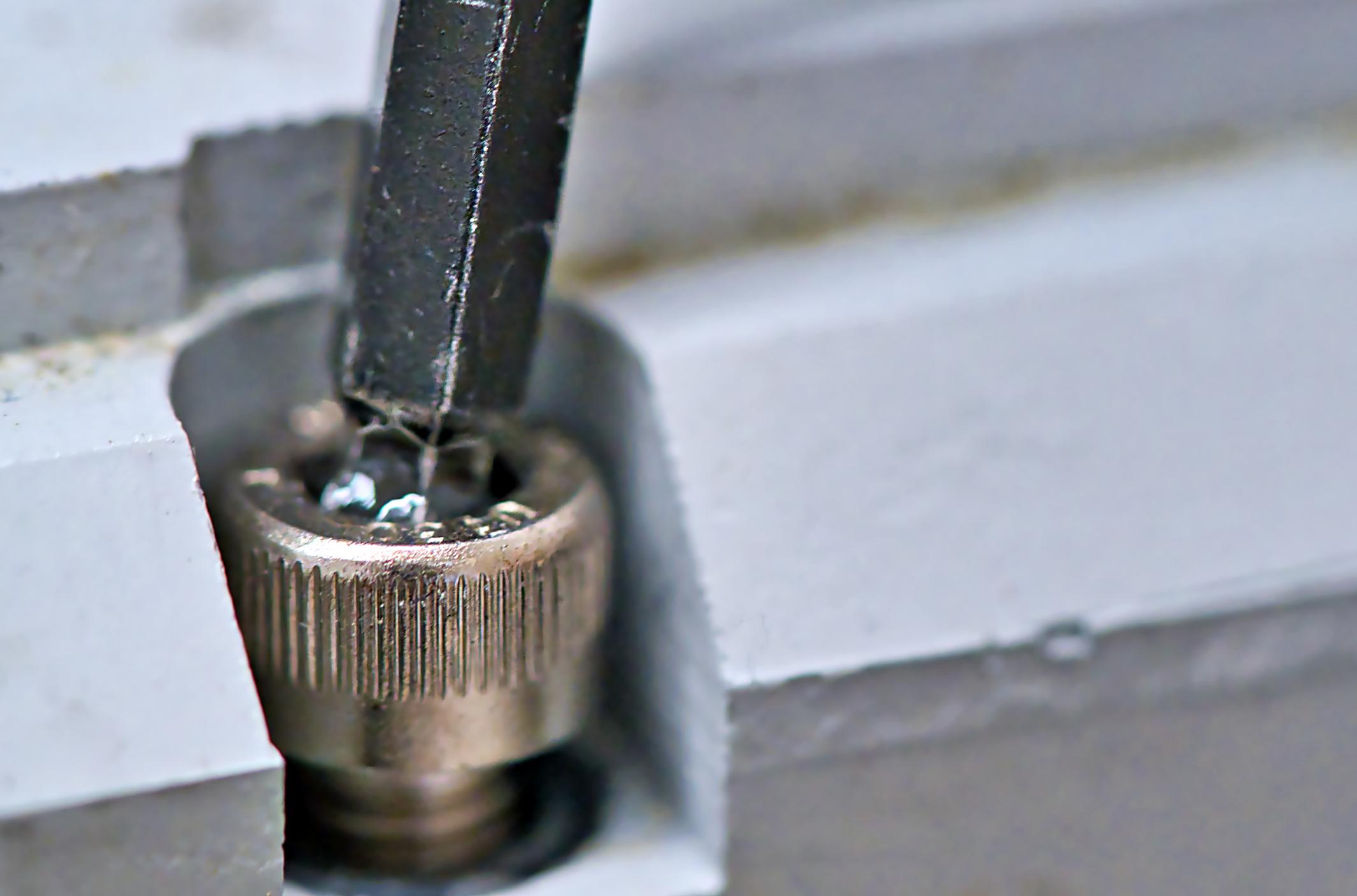
Confirm What Is Stripped
Check the Socket and Thread First
Look at the hex recess under good light. A damaged socket often has round corners or worn inner walls. If your hex key turns but the screw does not move, the recess might have too much damage for normal tool contact.
The screw might also have good socket walls but seized threads. Rust or threadlocker can hold the screw in place. In other cases, the female thread inside the part has damage, so the screw turns without moving out. A broken screw needs a different method from a simple stripped hex key screw.
Tools and Safety Prep
Use the Right Key and Protect the Part
Start with good metric and imperial hex keys. The correct key should reach full depth with little side play. A worn key can make socket damage worse.
You might also need extraction pliers, a screw extractor, or a left-hand drill bit. Keep tape near the work area if the surface has paint or another finish. Wear eye protection if you use a drill because small metal chips can leave the hole.
Clean dirt from the recess before you test a key. Packed debris can stop the tool from reaching the base of the socket.
Removal Methods from Lowest to Highest Risk
Clean the Socket and Test the Exact Key
The first step for a stripped hex screw should be a clean recess. Remove dirt with a small pick or brush, then push the correct hex key to full depth.
Use a fresh key with sharp edges. A rounded key gives poor contact and slips sooner. Do not force a size that clearly does not fit.
Seat the Tool and Apply Manual Force
Push the key firmly into the recess and keep the tool in line with the screw. Apply slow manual force rather than a fast twist. A steady load gives the key a better chance to hold the parts of the socket that still have shape.
If the screw does not move, stop before the recess gets worse. More force will not fix poor tool contact.
Try a Slightly Larger Torx Bit
A Torx bit sometimes grips a damaged hex socket because its lobes contact areas the old hex key no longer reaches. Choose a bit that sits tightly in the damaged recess, and never hammer it into the socket. Apply controlled torque and stop if the bit slips.
This method carries some risk because the bit can damage the socket further. Use it only if screw replacement is acceptable. If your main problem is getting a stripped hex screw out, this method often comes before drill work.
Grip an Exposed Head with Pliers
If the screw head sits above the surface, extraction pliers might grip the outside edge. Hold the head firmly and turn the screw with slow force.
This method works best when enough head area remains above the part. For a stripped hex head screw, outside grip often gives you a better choice than more work inside the damaged socket.
Use an Extractor or Drill the Head
A screw extractor comes after lower-risk methods fail. Make a small centered hole if the extractor design needs one. Follow the extractor size guide and keep the tool straight.
A left-hand drill bit might also help because reverse force works in the screw removal direction. Drill the screw head only as a last step. Remove enough material to free the head from the shank, then stop.
Special Cases
Small Recessed Screws
A small stripped hex screw needs extra care because there is less material around the recess. Large tools can remove too much metal at once. Start with the smallest suitable method and use light force.
Small screws often appear near delicate parts. Protect the surface around the screw before you use pliers or a drill.
Set Screws
Set screws often sit below the surface and give you no outer head to grip. Clean the recess first and test a new hex key. An extractor might help if the socket has too much damage.
Do not drill off center because set screws often sit close to another part.
Threadlocker and Corrosion
A screw with threadlocker can feel seized even if the socket looks fine. Check the product or service guide before you use heat because nearby material might not tolerate it.
Rust can also lock the thread. A suitable release fluid might help where the assembly allows it.
Remove the Stud and Check the Thread
After the screw head comes off, part of the shank might remain inside the hole. If enough of the stud sits above the surface, grip it with pliers and turn it out with slow force.
If the stud sits flush, use an extractor or another proper repair method. Once the screw comes out, inspect the female thread. Remove loose metal and check for damaged thread sections.
Do not force a new screw into a damaged hole. A thread chaser can help clean the threads or remove light burrs, but it cannot restore stripped thread material. Major damage might need a thread insert or machine repair.
Prevent Another Stripped Hex Socket
Use the exact hex key size every time. Push the key to full depth before you apply torque. Keep the tool straight so the socket walls share the load.
Replace worn hex keys because rounded edges slip more easily. Clean dirt from the recess before tool use. Replace screws with heavy socket damage instead of reusing them.
Frequently Asked Questions
Does a rubber band help with a stripped hex socket?
Sometimes it adds a little grip. A correct fresh hex key gives you a better first option.
Can Torx remove a stripped Allen screw?
Sometimes. A tight Torx bit might grip the damaged socket, but a poor fit can cause more damage.
How do you remove a stuck external hex-head screw?
Use the correct wrench or socket first. Extraction pliers or a special extractor socket might help if the outer head has damage.
Remove the Screw with the Least Damage
If you need to loosen a stripped hex screw, start with the socket itself. Clean it and use a sharp key in the exact size. Add more aggressive methods only when the first steps fail.
People often damage a screw because they move to high force too fast. Use pliers when the head gives you enough grip, then move to an extractor if needed. Drill work should stay near the end of the process.
For a stuck hex screw, also check for rust or threadlocker before you blame the socket alone. A correct diagnosis helps you choose the safest method and protect the part around the screw.
Popular Articles
Keep Learning
Self-Tapping Screws: Types, Head Styles & How to Choose
Key Takeaways Self-tapping screws cut their own mating thread as they are driven, so no pre-tapped hole is needed on the receiving part. The tip decides how the thread is made: thread-forming tips displace material in suitable ductile stock, thread-cutting tips remove it as chips, and self-drilling tips add their own drill point. Head style decides the seating: pan heads sit proud for surface mounting, countersunk heads end flush, and hex washer heads spread load over structural joints. Match the base......
Polyurethane Bumper Energy Calculation: Impact Kinetic Formulas, Stroke & Duty Cycles
Key Takeaways Impact energy depends on contact velocity squared, so a small speed change can materially alter the stopping event. Physical bumper height is not the same as permitted compression or usable stopping distance. Include work from a drive force that continues during compression, plus gravity or rotational effects where applicable. Hardness describes indentation resistance; it is not an energy rating or a complete force-deflection curve. Repeated impacts require a duty assessment as well as a......
Rubber Vibration Isolator Natural Frequency Calculation & Rigid Bypass Troubleshooting Standards
Key Takeaways Trace every mechanical connection between the isolated assembly and its surroundings, including services and guards. Compression, shear and tension are different loading conditions; use the data for the intended direction. A mount must be loaded appropriately, not merely kept below its maximum capacity. Keep deliberate retention hardware compatible with the movement needed for isolation. Compare vibration before and after changes at consistent operating conditions and measurement locatio......
What Is a Torx Screw? Star Drive and Security Torx Explained
If you have seen a screw with a six-point star recess, you have likely seen a Torx screw. So, what is a Torx screw? It is a screw with a six-lobe drive profile. You use a Torx bit to turn the screw. People often call this shape a star drive because of its six-lobe form. The standard Torx profile has six smooth, round lobes rather than sharp points. Other six-lobe drive profiles may look similar, but their dimensions can differ, and their tools may not be interchangeable. This shape gives the tool broa......
How to Drill Out a Stripped Screw Safely?
A stripped screw often turns a simple repair into a hard job. The driver slips because the screw recess no longer gives the bit a firm grip. A broken head or rusted screw creates a similar problem. Drilling screws out should come after simpler removal methods fail. Your goal is to remove enough metal to free the screw head without harm to the part. Good control matters more than force. A drill bit that moves off center might damage the hole or nearby surface. Start with a small bit and keep the drill ......
How to Remove a Stripped Hex Bolt: 7 Effective Removal Methods
A stripped hex bolt loses enough tool contact that a normal hex key or socket slips under force. The damage might affect an internal hex recess or the outer bolt head. Rust can make the problem worse because the thread then needs more force to turn. The safest stripped hex bolt removal method starts with a damage check. Use the least harsh option first, then move to stronger methods only if needed. Your main goal is to remove the bolt without harm to the thread or nearby part. What Is a Stripped Hex B......