Thread Chaser: What It Is, vs. Tap, and How to Use One
11 min
- What Is a Thread Chaser?
- Thread Chaser vs. Tap: The Critical Difference
- Types of Thread Chasers: Internal, External, and Adjustable
- How to Use a Thread Chaser: The Workflow
- Spark Plug and O2 Sensor Threads: The Classic Use Cases
- DIY Thread Chaser: The Shop Trick and Its Limits
- Chaser, File, or Tap? Picking the Right Repair Tool
- FAQ about Thread Chaser Guide
- About This Thread Chaser Guide
Key Takeaways
- A thread chaser repairs and cleans an existing thread: it follows the original thread profile to remove debris, corrosion, and minor burrs while keeping sound material intact.
- A tap cuts material to form the specified internal thread profile and depth. Using a tap to "clean" a damaged thread can cut beyond the original profile and ruin the fit, which is why the chaser exists.
- Chasers come in internal (for holes), external (for studs and bolts), and adjustable two-piece forms, marketed alongside similar-sounding names such as thread cleaner tool.
- The classic automotive use cases are spark plug holes (M14×1.25) and O2 sensor bungs (M18×1.5 is a common size), where repeated service, corrosion, or cross-threading damages the same few threads; dedicated chasers with a pilot nose keep the tool centered. Confirm the size against the vehicle's service data.
- The DIY approach, grinding the cutting end off a sacrificial tap, works as an emergency chaser for soft material, with real accuracy limits that keep it off critical parts.
- A chaser fixes dirty and lightly damaged threads; heavily stripped threads need re-tapping or a threaded insert, and a broken fastener needs extraction, not a chaser.
The spark plug comes out of an aluminum head after three years of heat cycles, and the first two threads in the hole come out looking bruised: flattened crests, carbon packed in the valleys, the plug needing a persuasion to start. The thread is not gone. It needs truing, not re-cutting, and that is exactly the job the thread chaser was invented for. Reach for the wrong tool here, usually a full tap, and the repair becomes a replacement.
What Is a Thread Chaser?
Unlike a conventional cutting tap, a thread chaser is designed to follow an existing thread profile rather than cut a completely new one. Depending on its design, it helps remove debris, corrosion, and minor burrs or deformations while minimizing the removal of sound thread material.
When a thread is dirty, corroded, or lightly damaged, a chaser follows the existing thread to remove surface irregularities and restore smoother thread engagement. It can help improve the fit of a mating fastener, but it cannot replace missing thread material or restore a severely damaged thread profile. Chasers are made for internal threads (holes and nuts), external threads (studs, bolts, and shaft ends), and in adjustable two-piece forms for awkward diameters; tool catalogs list them alongside similar names such as thread cleaner tool, which usually refers to the same family.
Thread Chaser vs. Tap: The Critical Difference
This is the confusion that destroys threads, so it deserves a direct comparison:
| Aspect | Thread chaser | Tap |
|---|---|---|
| Working principle | Follows the existing thread profile | Forms the specified internal thread profile and depth |
| Job | Restore and true an existing thread | Cut a brand-new thread in an unthreaded hole |
| Material removed | Minimal; debris, corrosion, and minor burrs | Cuts material to form the specified internal thread profile and depth. |
| Risk on a damaged thread | Low; follows the sound thread | High; cuts deeper into an already-weakened thread |
| Correct use | Repair, cleaning, re-threading alignment | First-time tapping |
The failure mode to understand is the tap on a damaged thread. A tap's cutting edges form the specified internal thread profile and depth. Driven into a thread that is already bruised, it can cut beyond the original profile and leave the fastener loose in what used to be a tight hole. A chaser works differently: it follows the existing thread and removes as little sound material as practical, which is what makes it the repair tool. Our guide to the types of taps explains the cutting side of this comparison in full.
Types of Thread Chasers: Internal, External, and Adjustable
Chasers come in three mechanical forms, matched to the thread they serve:
- Internal thread chasers often resemble short, stout taps and are sized for threaded holes and nuts; the tooth form varies by design. Many are guided by the sound thread below the damage, so they tend to self-align.
- External thread chasers are die-like or clamp-on forms that ride over a stud or bolt end, truing the exposed crests. Wheel-stud and bolt-thread versions are common in automotive kits.
- Adjustable chasers are two-piece or split designs whose diameter can be set across a small size range, useful in maintenance work where one tool must serve neighboring sizes.
Sets sold as a thread chaser kit typically bundle the common sizes in one or both thread systems, and a metric thread chaser set covers M-series pitches without mixing in inch sizes. The reliable way to tell them apart is the manufacturer's designation: buy a tool explicitly sold as a thread chaser for your thread size, and check the product documentation for its intended use rather than judging by tooth shape alone.
How to Use a Thread Chaser: The Workflow
Chasing a thread is a low-force operation, and the technique is mostly about staying aligned and knowing when to stop:
- Clean first. Remove chips, carbon, and corrosion with a brush and solvent so the chaser reads the actual thread, not the debris.
- Confirm the size. Measure or gauge the thread if there is doubt; a chaser run at the wrong size does its own damage. The identification steps are in our how-to-measure-thread-size guide.
- Start square. Present the chaser perpendicular to the thread axis, exactly as you would a tap.
- Turn with light pressure. Advance a turn or two at a time; the chaser should follow the existing thread. Resistance here should feel like tracing, not cutting.
- Back off and clear. Half-turn back to clear debris, same rhythm as tapping, and add oil on ferrous material.
- Stop when it runs clean. When the chaser turns freely through the full engagement and the mating fastener threads in smoothly by hand, the repair is done. More passes add nothing.
The whole operation removes shavings you can barely see. If a chase produces real chips or requires meaningful force, either the tool is a full-profile tap in disguise or the thread damage is beyond chasing; stop and reassess against the decision table near the end of this guide.
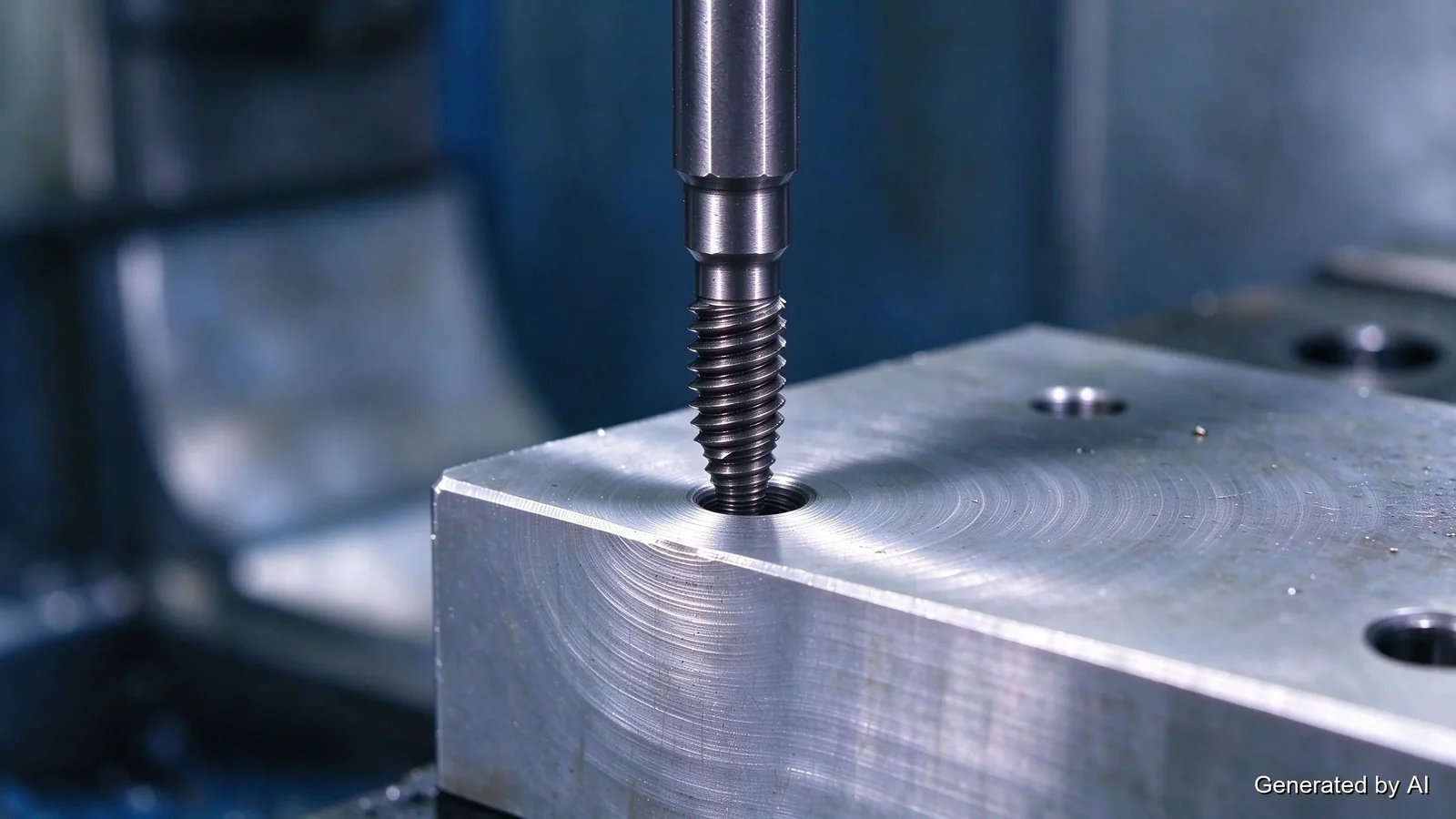
chaser cleaning an internal thread in a tapped hole
Spark Plug and O2 Sensor Threads: The Classic Use Cases
The automotive world keeps thread chasers in business, and two holes account for most of it:
| Thread | Typical application | Why it gets damaged |
|---|---|---|
| M14×1.25 | Spark plug holes in most gasoline engines | Carbon packing, cross-threading during plug changes, aluminum head threads cycling hot |
| M18×1.5 | O2 sensor bungs, a common size on many vehicles | Repeated removal and installation, corrosion, or cross-threading |
Oxygen sensors are installed in threaded openings, commonly called sensor bungs, on the exhaust manifold or exhaust pipe. Repeated removal and installation, corrosion, or cross-threading can damage the internal threads of the bung, making it difficult for the sensor to seat and seal properly. An appropriately sized O2 sensor thread chaser can help clean and restore lightly damaged threads, provided the original thread profile is still largely intact.
A caution on application specifics: thread specs vary across engines and sensor generations, so confirm the size against the vehicle's service data before chasing; the sizes above are the common ones, not a universal list.
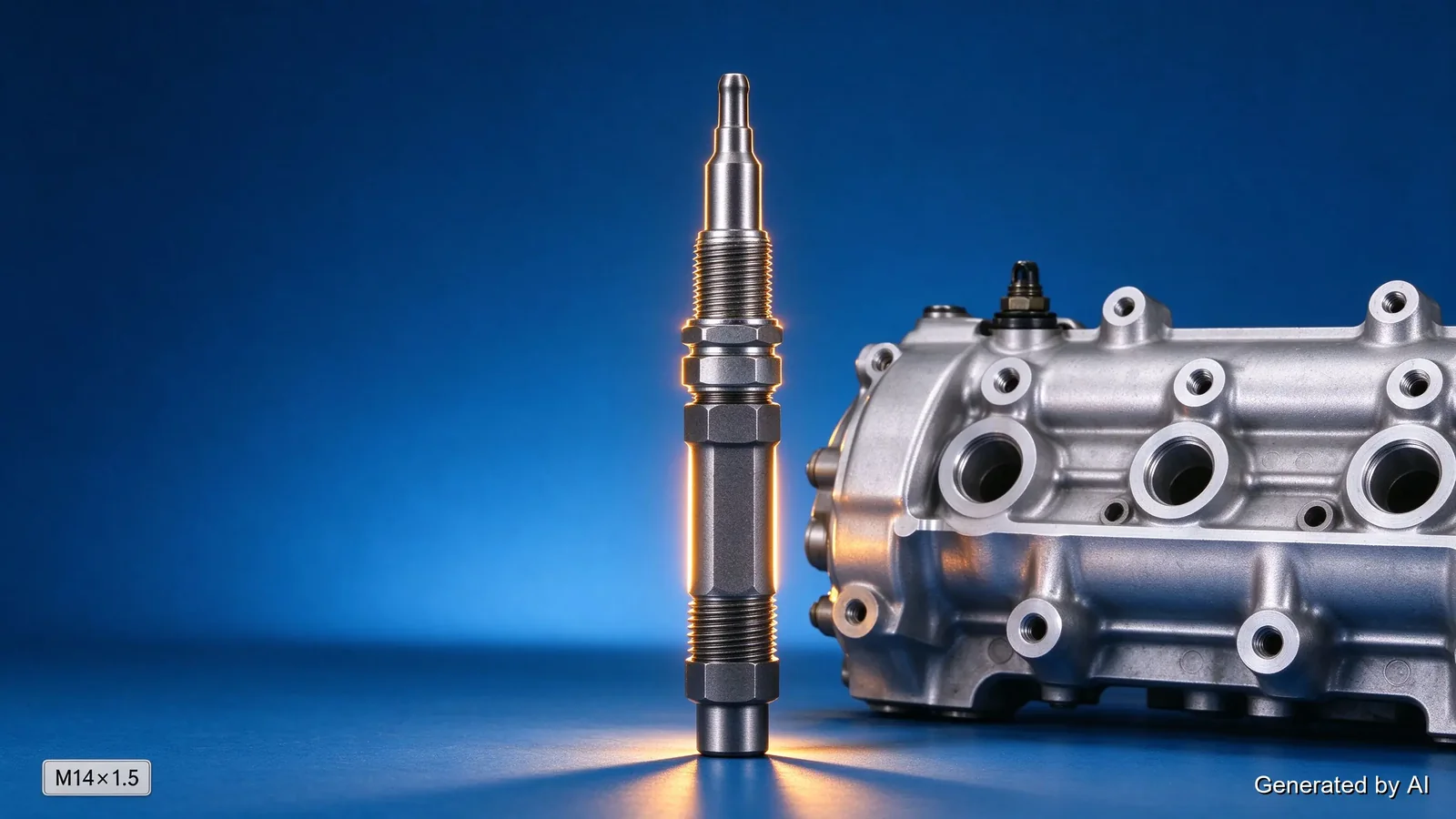
spark plug hole thread chaser with a pilot nose
DIY Thread Chaser: The Shop Trick and Its Limits
Walk into any machine shop and ask, and someone will describe the DIY version: take a sacrificial tap of the correct size, grind away the cutting taper and the tooth depth from most of its length, leaving a short working section, and you have an emergency internal thread chaser. Search interest in the homemade thread chaser keeps rising because the trick genuinely works for light cleanup in soft stock.
The limits are as real as the trick. A ground tap loses whatever heat treatment the grinding burns out of its teeth, so the DIY chaser dulls fast and can gall in harder material; its tooth geometry is approximate, so the thread it trues is only as accurate as the grinding; and none of this belongs on a critical fastener, a deep blind hole, or anything that holds pressure. For those, a purpose-made chaser costs little enough that improvisation is the expensive option.
Chaser, File, or Tap? Picking the Right Repair Tool
Where a thread chaser sits among the repair options is easiest to see as a decision:
- Dirty, corroded, lightly bruised threads that still catch: the chaser. This is its home ground.
- One or two crests locally mashed, thread otherwise sound: a needle file dressed by hand can rescue a single crest where a chaser has nothing to follow; work slowly and check the fit often.
- Thread cut wrong from the start, or crests gone to mid-profile: chasing has nothing left to ride on. Re-tap to the next size up, using the tap drill chart for the new pairing.
- Heavily stripped threads in a hole that must keep its size: rebuild with a threaded insert; our threaded inserts for metal guide covers the process.
- Fastener broken off in the hole: no chaser applies. That is extraction territory, covered in our screw extractor guide.
The common thread through all five rows: a chaser repairs a thread that is still mostly there. The moment the profile itself is gone, the job changes to cutting or rebuilding.
FAQ about Thread Chaser Guide
Q: What is a thread chaser used for?
A thread chaser restores and cleans an existing threaded hole or stud: it follows the original thread to remove debris, corrosion, and minor burrs while minimizing the removal of sound material. Typical jobs include preparing old threads for reassembly and servicing spark plug and O2 sensor holes.
Q: What is the difference between a thread chaser and a tap?
A chaser follows the existing thread profile rather than cutting a new one, so it removes debris and minor damage while keeping sound material. A tap cuts material to form the specified internal thread profile and depth. Using a tap to clean a damaged thread can cut beyond the original profile and leave the fastener loose.
Q: Can I use a tap to clean up threads?
It is a common shortcut and a risky one. On a thread that is only dirty, a tap will usually pass through without visible harm; on a thread that is actually damaged, the tap cuts deeper into the remaining profile and can ruin the fit. A chaser does the same job with almost no material risk.
Q: What chaser size do I need for an O2 sensor?
M18×1.5 is a common thread size for oxygen sensor installations. However, the required size and pitch depend on the vehicle and sensor design. Check the vehicle service manual or sensor manufacturer's specifications before selecting a thread chaser. Some dedicated O2 sensor thread chasers feature a pilot nose to help guide the tool into the existing threaded opening.
Q: How do I chase internal threads?
Clean the hole, confirm the size, start the internal chaser square, and turn it with light pressure in the same back-and-clear rhythm as tapping. The chaser should follow the sound thread below the damage. Stop when it runs freely and the mating fastener enters by hand.
Q: Does a thread chaser fix stripped threads?
Not once the stripping is real. A chaser trues lightly bruised crests, but a thread stripped to mid-profile has nothing left for the chaser to ride on; that hole needs re-tapping to a larger size or a threaded insert rebuild. Judging which side of that line the damage sits on is the first step of the job.
About This Thread Chaser Guide
A thread chaser earns its place as the repair tool between cleaning and re-cutting: it cannot bring a destroyed thread back, and it is far better than a tap at saving a thread that is merely wounded. Sort the damage honestly, run the chaser square with light pressure, and stop as soon as the fastener runs smooth.
The rest of the repair ladder sits across the cluster: the screw extractor guide handles fasteners broken off in the hole, the tap drill chart pairs re-cut threads with their new holes, and threaded inserts rebuild holes that must keep their size. Chased, cut, or rebuilt, the finished thread still needs matched screws and nuts to close the job.
Keep Learning
Thread Chaser: What It Is, vs. Tap, and How to Use One
Key Takeaways A thread chaser repairs and cleans an existing thread: it follows the original thread profile to remove debris, corrosion, and minor burrs while keeping sound material intact. A tap cuts material to form the specified internal thread profile and depth. Using a tap to "clean" a damaged thread can cut beyond the original profile and ruin the fit, which is why the chaser exists. Chasers come in internal (for holes), external (for studs and bolts), and adjustable two-piece forms, marketed al......
Screw Extractor Guide: How to Remove Broken Bolts and Studs
Key Takeaways A screw extractor (commonly called an easy out) is a hardened tool for removing broken fasteners, gripping them through spiral flutes, straight flutes, or multi-spline teeth depending on its design; many common types engage when turned counterclockwise. The workflow is drill a pilot hole, then turn the extractor counterclockwise; a left-hand drill bit often does the whole job on its own, backing the broken piece out while drilling. Broken-bolt and stripped-screw are different problems: a......
How to Measure Thread Size: Pitch, TPI & Bolt Threads
Key Takeaways How to measure thread size comes down to two numbers: the major diameter (measured across the thread crests) and the pitch, which is threads per inch (TPI) on inch threads and millimeters between crests on metric threads. A thread pitch gauge is the purpose-built tool: fan out the blades, find the one whose teeth mesh with no visible gaps, and read the size stamped on it. Measure the major diameter with a caliper across a full thread, away from the chamfered end; the reading narrows the ......
Advantages and Disadvantages of Articulated Robots
Introduction Articulated robots offer high flexibility, multi-axis movement, and the ability to handle complex manufacturing tasks, making them suitable for a wide range of automated applications. However, their advantages come with trade-offs, including higher initial investment, programming complexity, maintenance requirements, and safety considerations. Understanding these advantages and disadvantages helps manufacturers determine when articulated robots provide practical value and when other autom......
Types of Taps: A Complete Guide to Tap and Die Types
Key Takeaways Types of taps differ mainly in three ways: where the chips go (spiral point vs spiral flute), how the thread is formed (cut vs form), and how much lead taper the front carries (taper, plug, bottoming). Hand taps come as a three-piece set — taper, plug, and bottoming — distinguished by the length of the chamfered lead, and the right one depends mainly on whether the hole goes through. Spiral point taps push chips forward ahead of the cut and suit through holes; spiral flute taps pull chip......
Metric Screw Size Chart: M1–M24, Pitch & Tap Drill
Key Takeaways The M in an M8 bolt is the major diameter in millimeters: M8×1.25 reads as an 8mm outer diameter with a 1.25mm thread pitch, and coarse pitch is assumed when the pitch is not written. The metric screw size chart below covers the ISO coarse series M1–M24 with pitch, inch equivalents, and the common tap drill for each size. M8 and 5/16 inch sit only 0.06mm apart on diameter, but their thread pitches come from different systems; the two look-alikes must not be mixed in one assembly. Fine pi......